
Maintenance begins before cleaning. Exterior facades, coastal air, high-touch interiors and protected glass applications need different material and finish choices.
Maintenance & Care
Longer-lasting metal mesh starts with the right care logic.
SGORIA sees maintenance as part of sustainable specification. The right material, finish, sample confirmation and cleaning expectation help architectural metal mesh stay useful, refined and easier to manage over time.
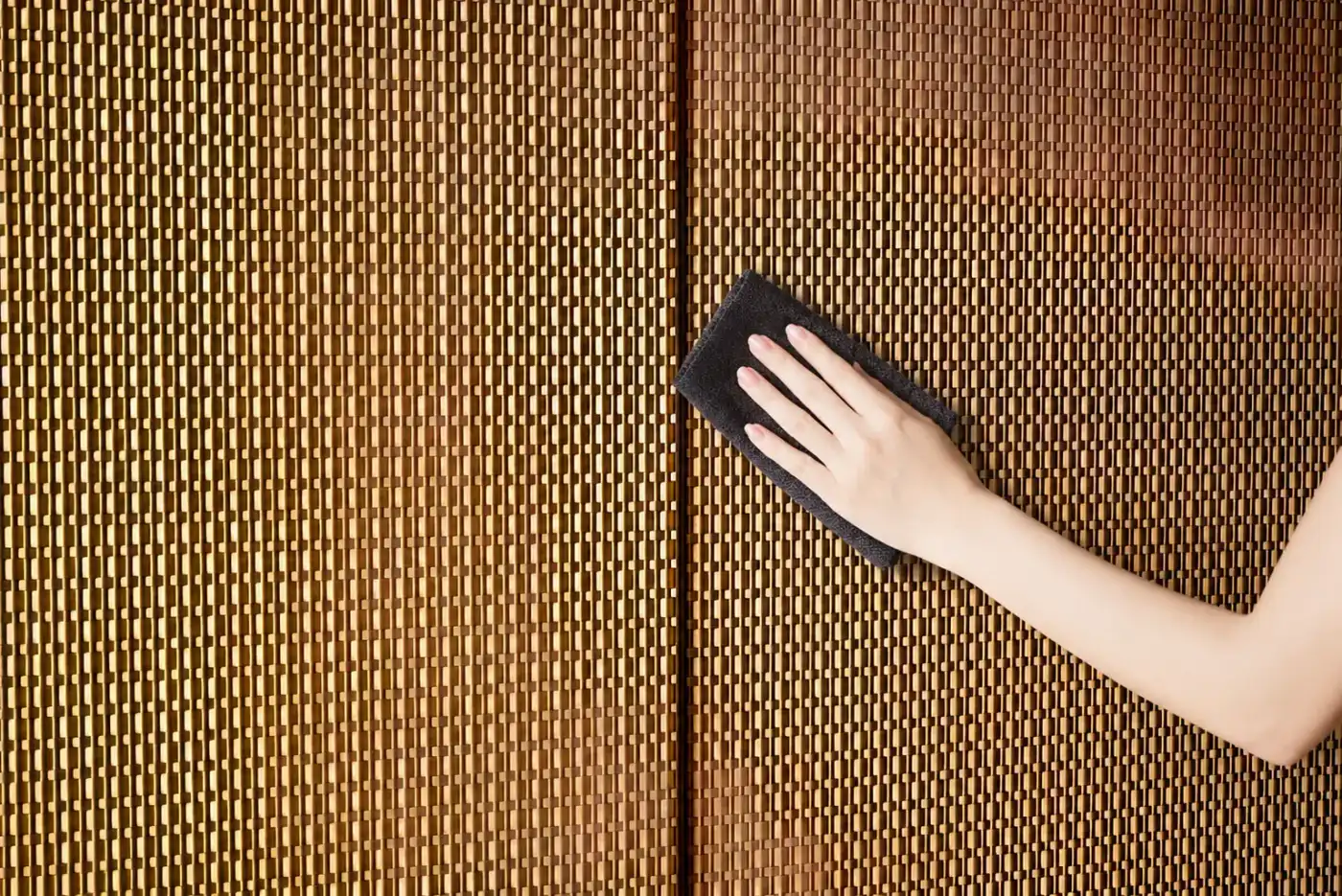
SGORIA care philosophy
Maintenance is not an afterthought. It is part of the specification.
For architectural mesh, care decisions should be discussed before production: where the surface is used, how close people touch it, how the finish reacts to light and what kind of cleaning access the building will have.
Samples help project teams judge colour, reflection, texture and handling risk before the mesh becomes a large architectural surface.
Packing, site handling, panel labeling and installation sequence can reduce marks, scratches and unnecessary replacement after delivery.
A practical cleaning rhythm, suitable tools and clear site notes help the surface remain stable without over-maintenance.
Lifecycle route
From real project use to long-term surface review.
Maintenance becomes easier when the surface has been selected, finished, packed and installed with the project environment in mind. This is where sustainability becomes practical rather than decorative.
Application, exposure, viewing distance, touch level and maintenance access.
Mesh family, material grade, finish target, panel size and fixing method.
Sample approval under project light, colour target and expected cleaning method.
Packing, storage, lifting, edge protection and installation handling notes.
Regular visual review, gentle cleaning and condition-based care after handover.
Material and finish care
Different surfaces need different maintenance expectations.
SGORIA does not recommend one generic cleaning rule for every project. Care should follow the material, finish, exposure, contact level and design intent of the final surface.
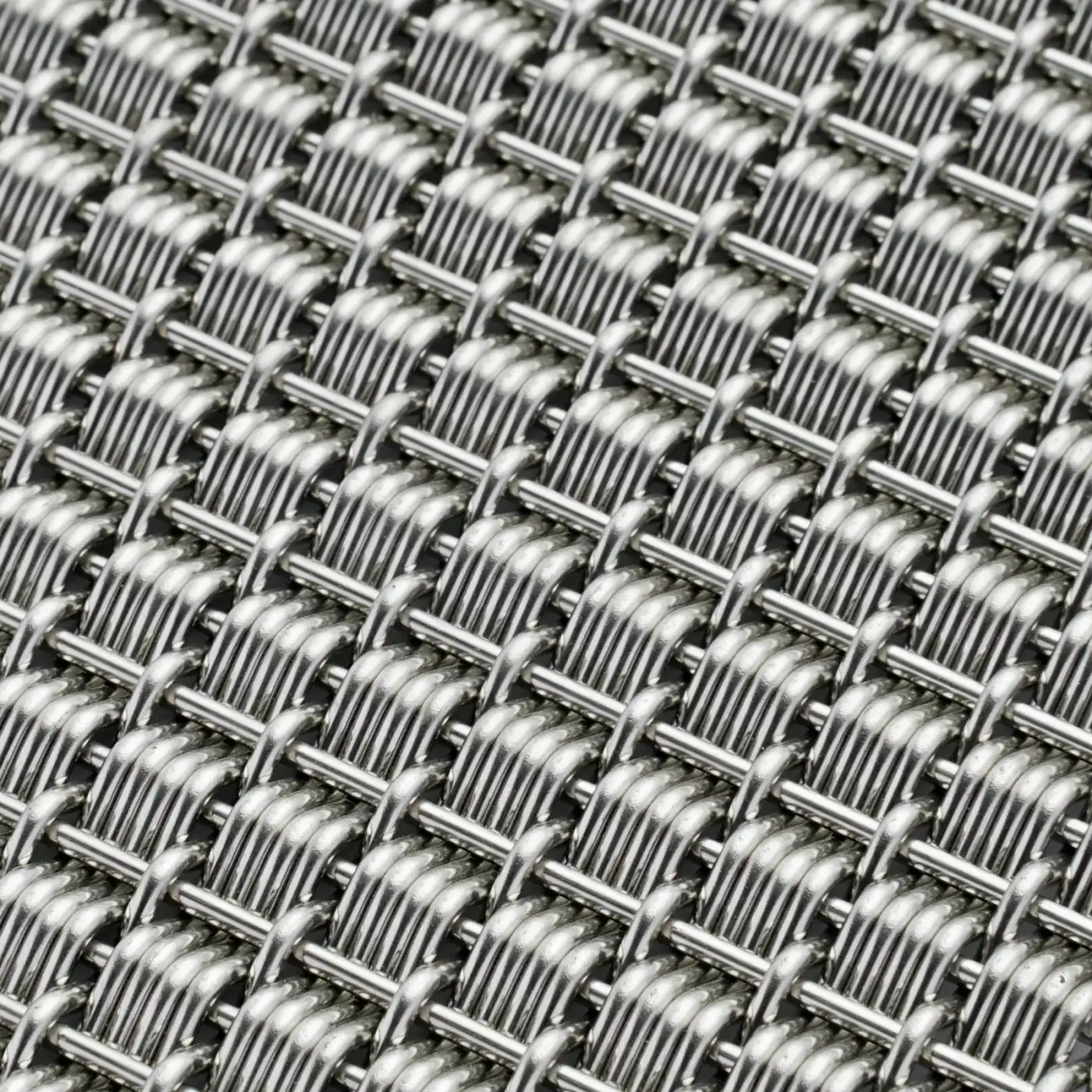
Stainless steel mesh
Remove dust, fingerprints or site residue with clean water and mild neutral detergent. Rinse well and dry with a soft cloth so deposits do not remain on the surface.
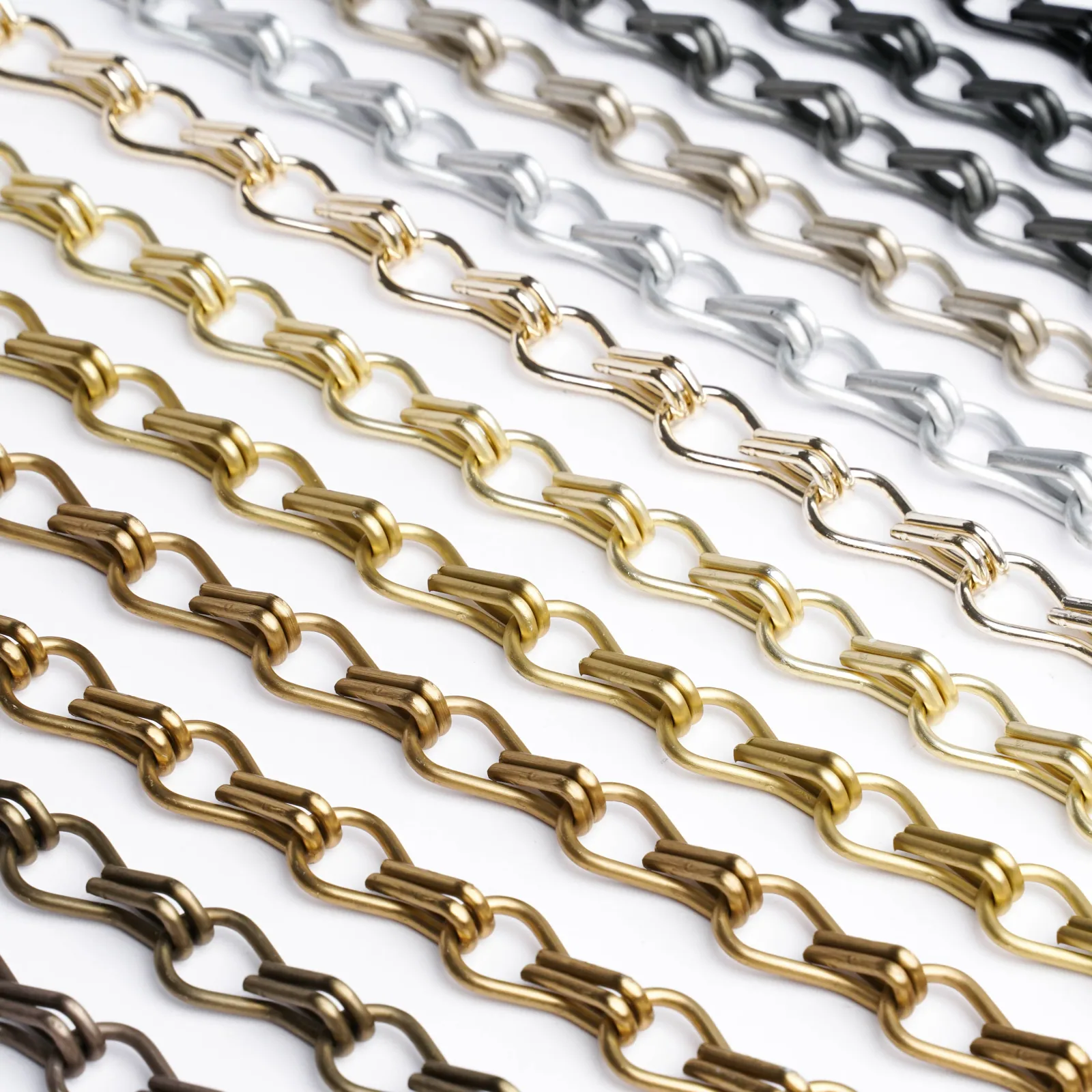
Anodized aluminum
Use mild cleaning solution, soft cloths and fresh water rinse. Avoid abrasive pads or strong alkaline cleaners that may affect the anodized finish layer.
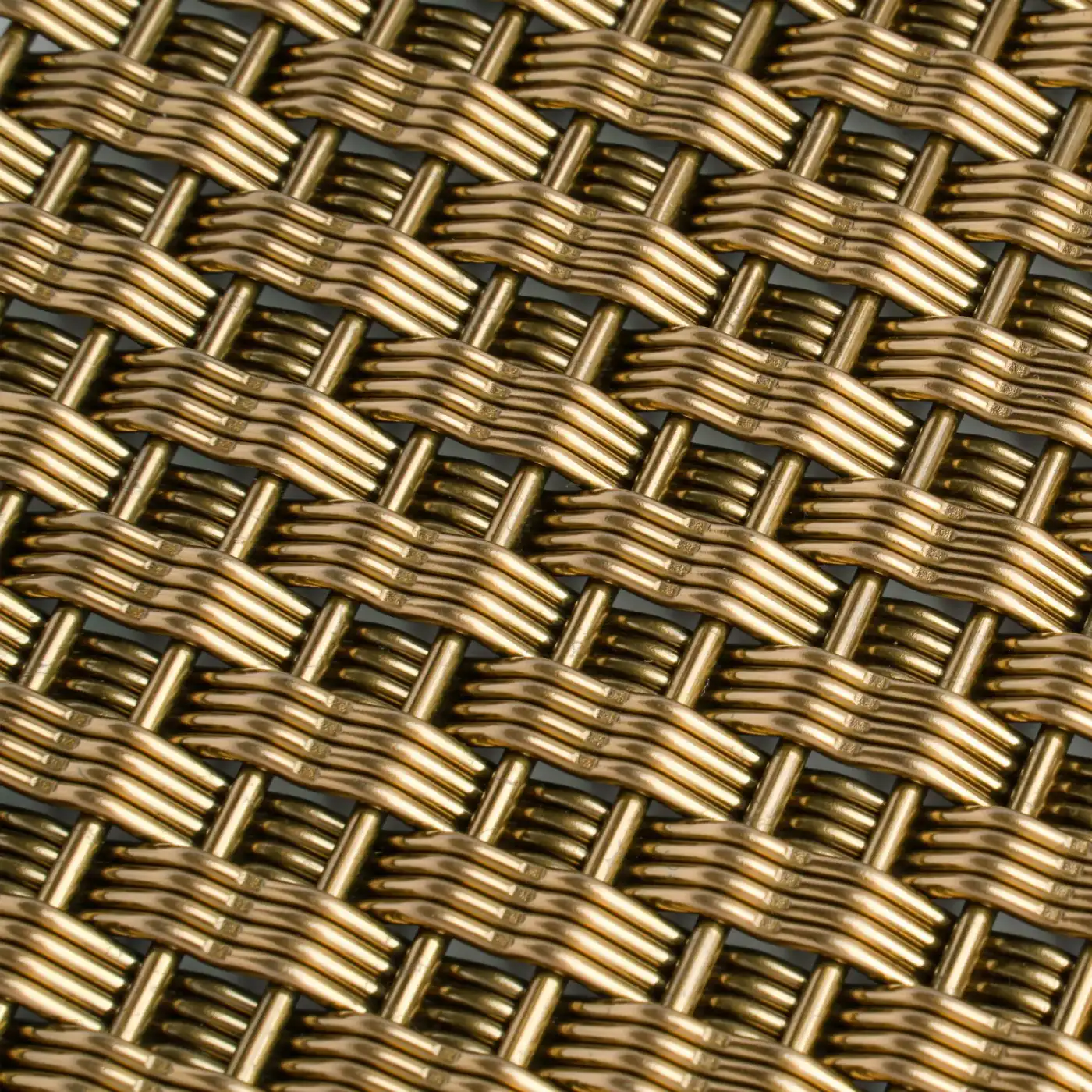
Copper, brass and bronze tones
Warm metal surfaces may naturally darken or patina. Confirm whether the project expects natural aging or a protected decorative finish before choosing a cleaning method.
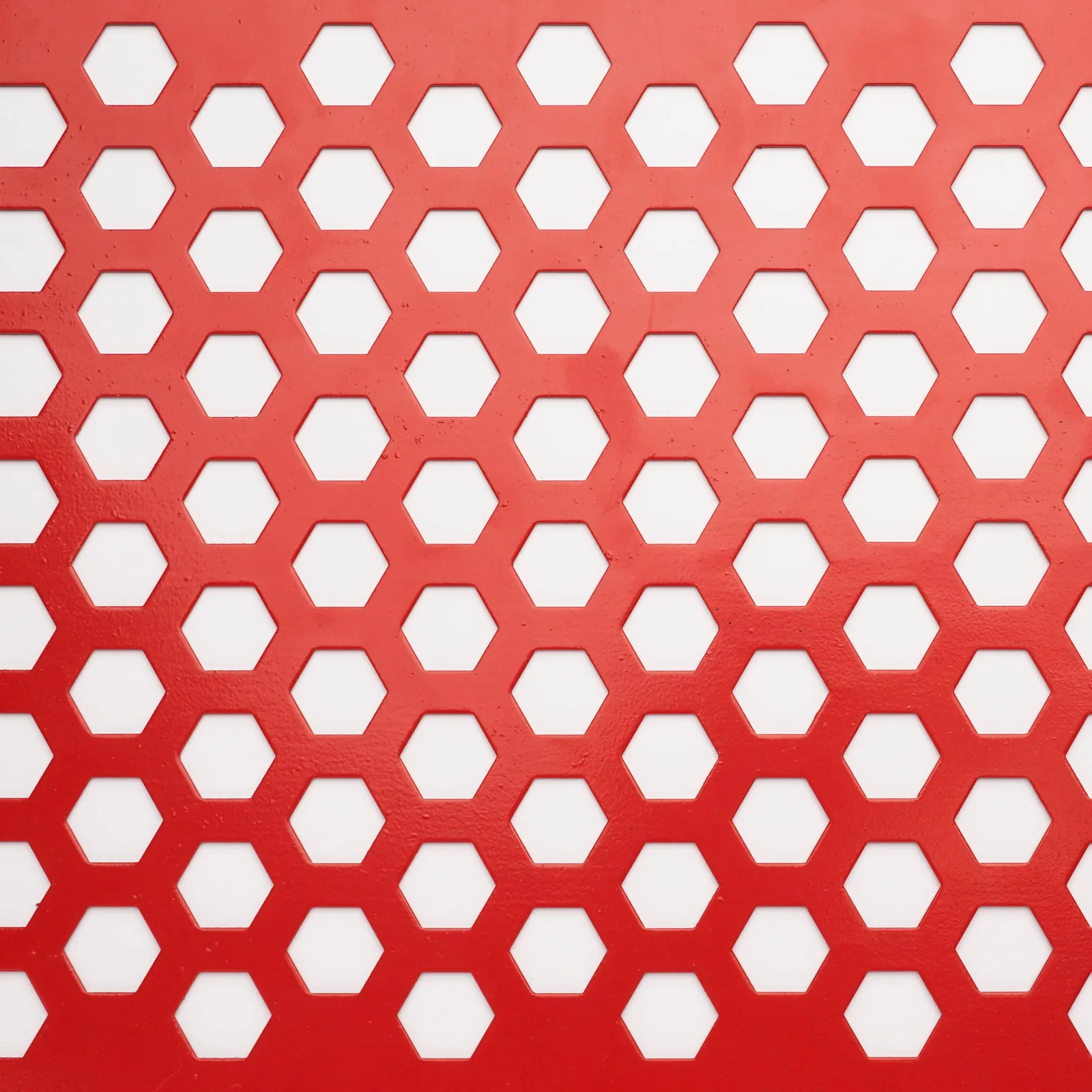
Powder coated and coloured finishes
Clean with a soft cloth, mild soap and water. Do not use solvents, steel wool or abrasive tools unless the coating supplier has confirmed compatibility.
Cleaning method
Keep the care method gentle, visible and easy to repeat.
Most architectural mesh maintenance should begin with the least aggressive method. Final guidance should still follow the approved material, surface finish and site exposure.
Remove installation dust, labels and fingerprints early. Use soft cloths and mild neutral cleaning solution, then rinse and dry visible surfaces.
Keep the method simple: dust removal, gentle washing, fresh water rinse and soft drying. Increase frequency when the site has pollution, salt air or high-touch use.
Check stains, mineral deposits or handling marks before using stronger products. Test a hidden area first and confirm the finish type before changing the method.
Keep the approved sample, finish note and cleaning method together so future maintenance teams do not guess or over-clean the surface.
Avoid during maintenance
Protect the finish before trying stronger cleaning.
- Do not use steel wool, hard scrapers or abrasive pads on visible architectural mesh.
- Do not mix cleaning chemicals or use acid, bleach or strong alkaline cleaners without finish confirmation.
- Do not leave detergent, salt, cement dust or mineral deposits on the surface after cleaning.
- Do not pressure-wash delicate curtains, coated surfaces or small components without checking fixing and finish tolerance.
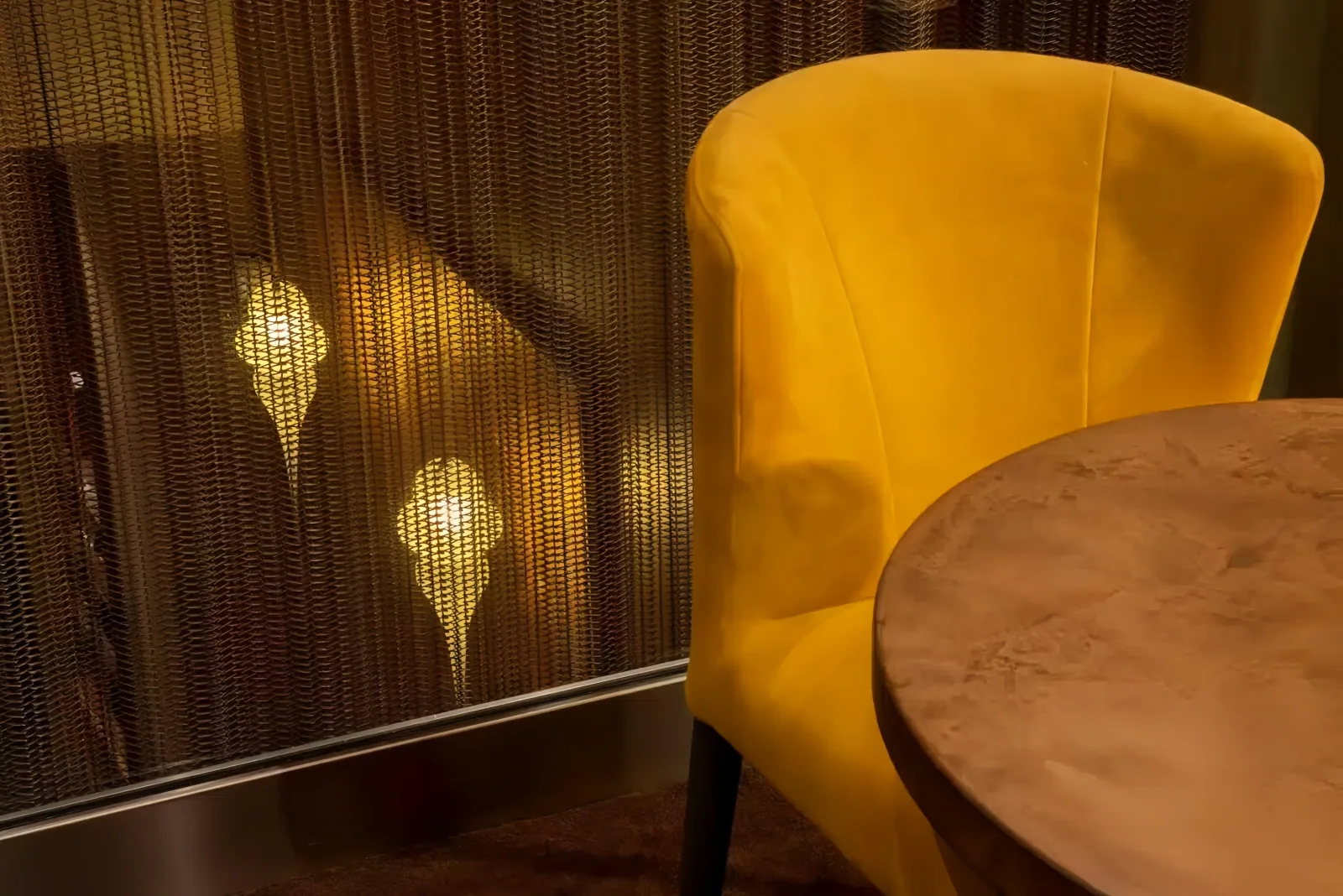
Sustainability through care
A well-maintained mesh surface protects both visual intent and material value.
Many sustainability pages speak about ambition. For SGORIA, the useful question is more concrete: will the mesh still look appropriate, perform its role and remain maintainable after the project is handed over?
When product selection, finish approval, packing and maintenance expectations are aligned, the project can avoid unnecessary replacement and keep the metal surface in service longer.
View SGORIA SustainabilityProject FAQ
Questions that help define a realistic care direction.
These answers are intentionally practical. Final care notes should still be confirmed around the selected product, material, finish and site condition.
How often should architectural metal mesh be cleaned?
Cleaning frequency depends on exposure, finish, location and touch level. A protected interior partition may need periodic dust removal, while exterior, coastal or high-touch projects may require more regular review.
Can one maintenance method fit all SGORIA mesh products?
No. Woven mesh, cable rod mesh, chain curtain, perforated metal, expanded metal, laminated glass mesh and coated surfaces can have different material and finish considerations.
What should be confirmed before installation?
Confirm approved samples, finish type, handling method, packing, panel labeling, edge protection, site storage and whether the finish has special care restrictions.
How does maintenance connect to sustainability?
Good maintenance supports longer use. When the right material, finish and care method are selected early, the project is less likely to waste material through premature replacement or avoidable rework.
Maintenance guide download
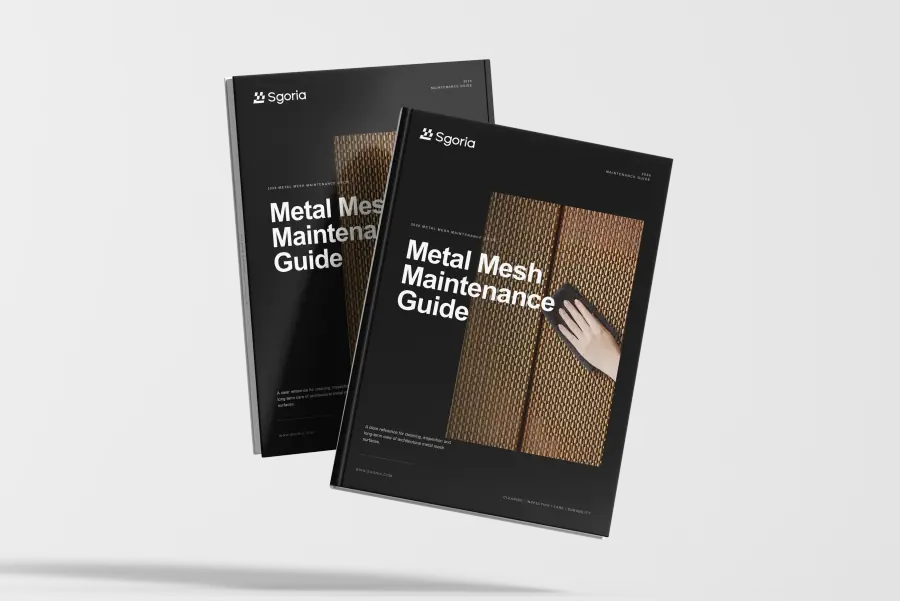
Download the SGORIA Metal Mesh Maintenance Guide.
Use this guide to prepare cleaning, inspection and long-term care notes around material, finish, exposure and touch level.
Download guideCare planning
Have a project question after reading?
Send the application, material choice, finish target and site condition. SGORIA can help align product selection with realistic long-term care.