
Metal curtains, Color finishes
Lightweight color route
Aluminum architectural metal mesh material.
Aluminum is a lightweight route for architectural mesh, metal curtains and panels that need easier handling, color flexibility and a cleaner production path.
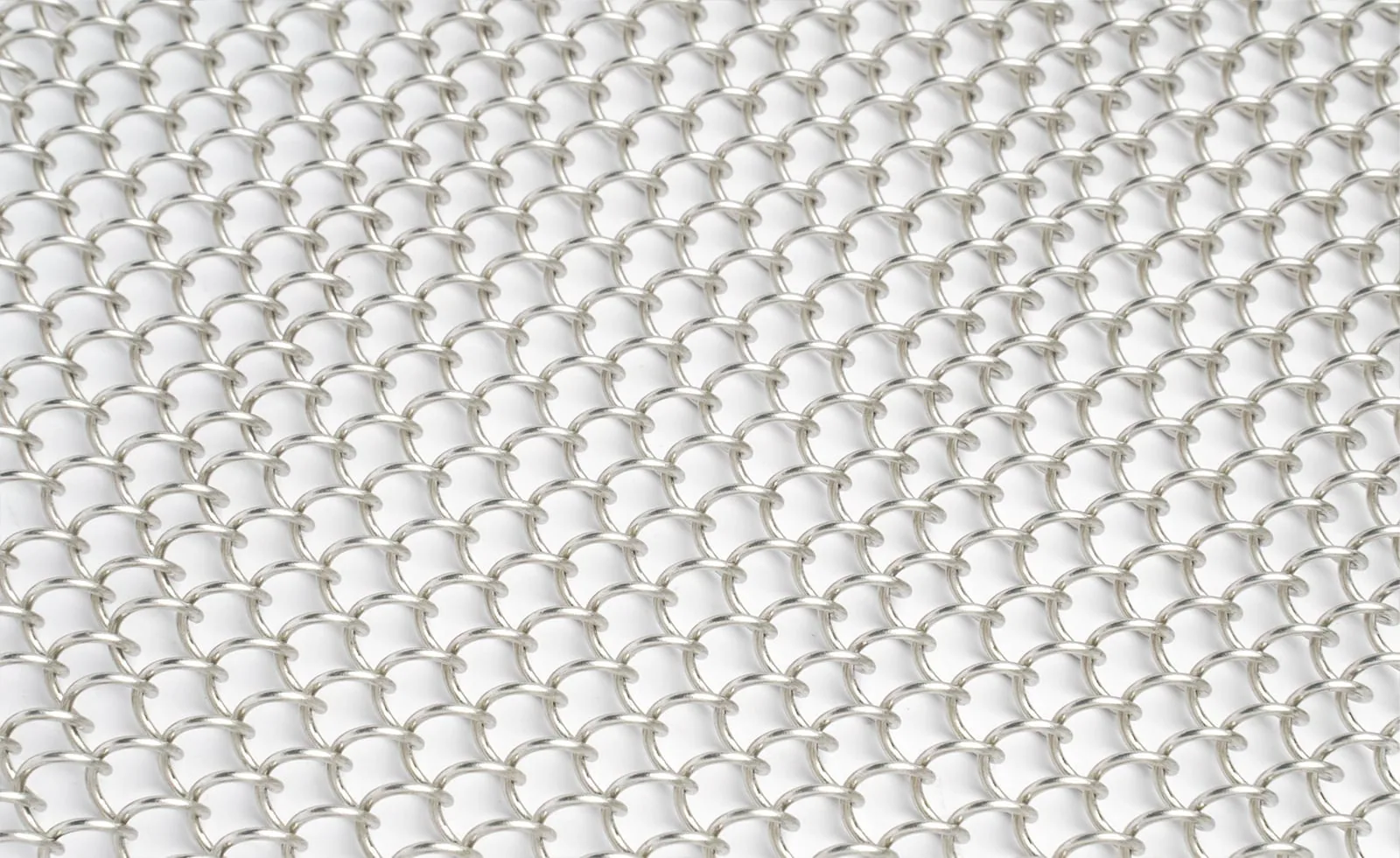
A lightweight route for curtains, perforated panels, expanded metal, foam and color-driven surfaces.
Anodising or coating route, Surface hardness, Panel handling
Chain Curtain, Metal Coil Drapery, Perforated Metal
Material performance
Judge the material by how the project will use it.
A lightweight route for curtains, perforated panels, expanded metal, foam and color-driven surfaces. The useful question is not only whether the material looks right, but whether it fits exposure, touch level, weight, finish direction, fixing logic and long-term care.
A practical option when large areas, curtains or panels need lower weight and easier installation planning.
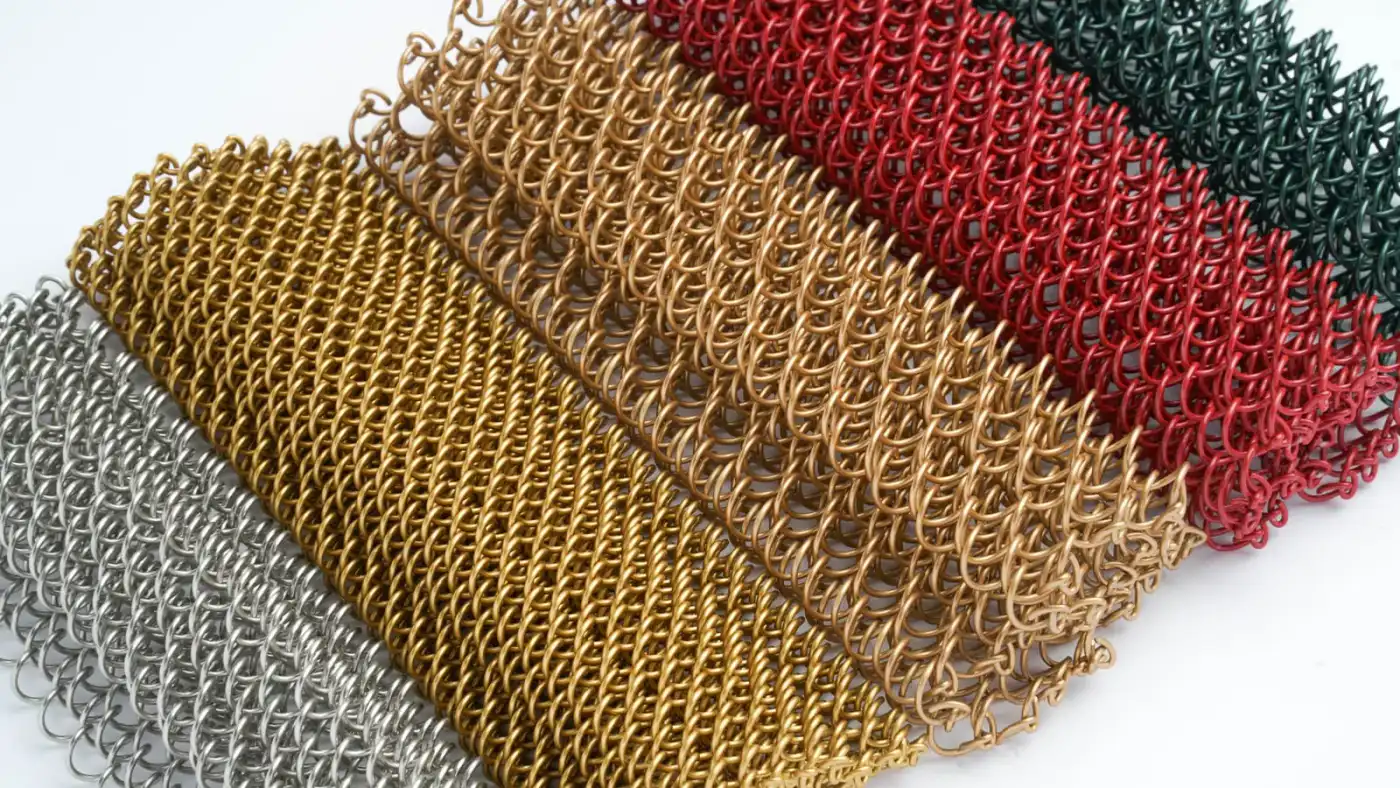
Aluminum works well with anodising, powder coating and custom color directions when appearance control matters.
Useful for curtains, perforated panels, expanded forms and aluminum foam where material lightness supports the system.
Surface hardness, coating route, exterior exposure and edge protection should be confirmed early.
Applications
Where Aluminum is usually worth reviewing.
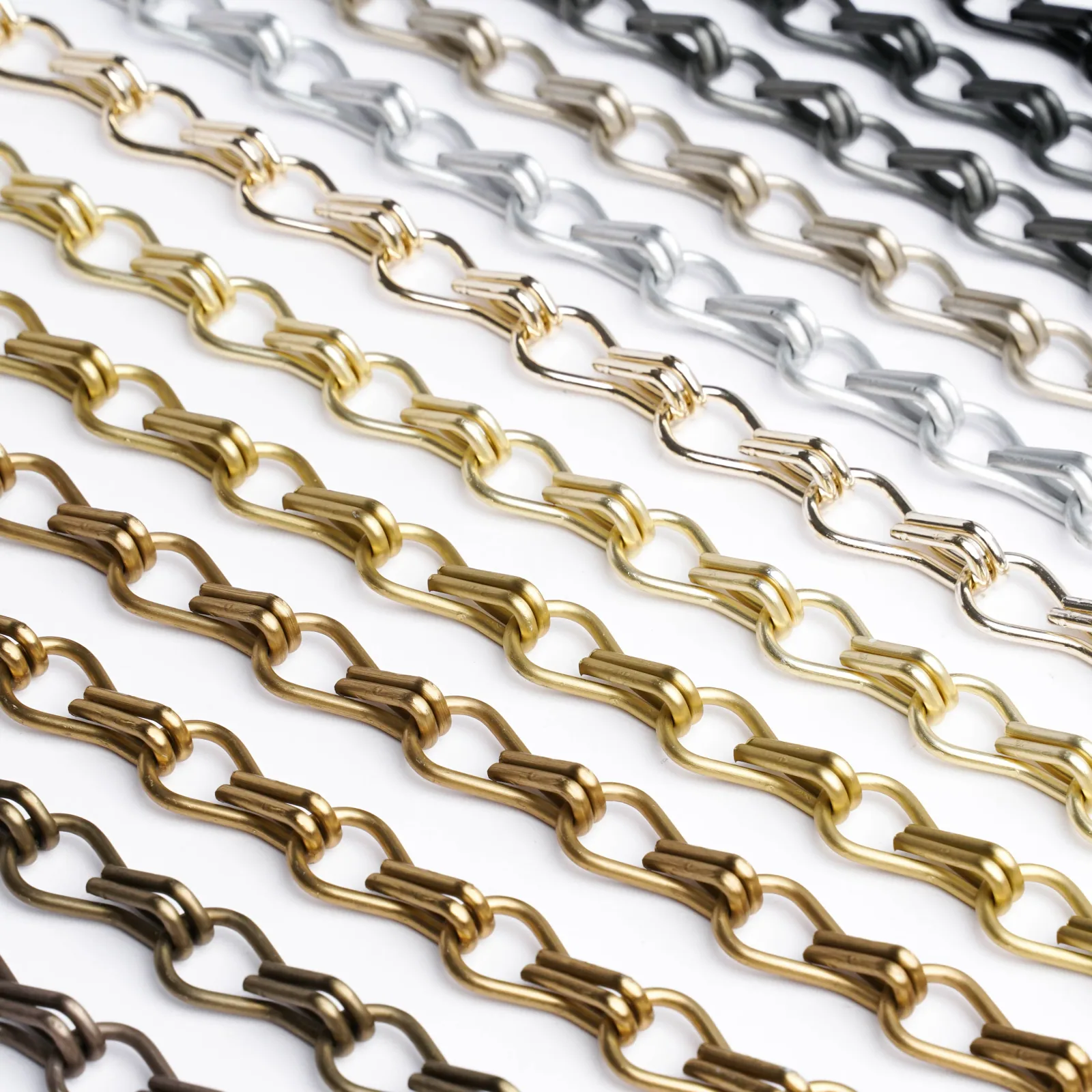
- Chain curtains
- Coil drapery
- Perforated panels
- Aluminum foam feature walls
Product families
How this material connects with SGORIA products.
Chain Curtain Light hanging layers and color-led interior dividers. Metal Coil Drapery Flexible curtains where weight, movement and finish connect. Perforated Metal Lightweight panels with controlled holes and color direction. Aluminum Foam Panel Porous, light and material-led architectural surfaces.
Decision checklist
Confirm the details that change material performance.
Material selection becomes more accurate when project teams share the application, exposure, finish target, fixing condition and maintenance expectation together.
Weight priorityIndoor or outdoor useAnodising or coating routePanel or curtain sizeEdge protectionColor sampleHandling marksCleaning method
When to reconsider
Sometimes another material route is the better answer.
SGORIA can help compare the material route before sampling, especially when weight, color tone, exposure or maintenance expectation points in another direction.
- The surface must take heavy impact or high structural load.
- The project needs natural warm-metal aging.
- Unprotected high-touch use may mark the surface too easily.
Finish compatibility
Match the base material with the right surface direction.
Finish choice should be checked with material, lighting, exposure and maintenance expectation before production.
 Anodising
 Keeps a metallic aluminum character while adding controlled tone.
View finish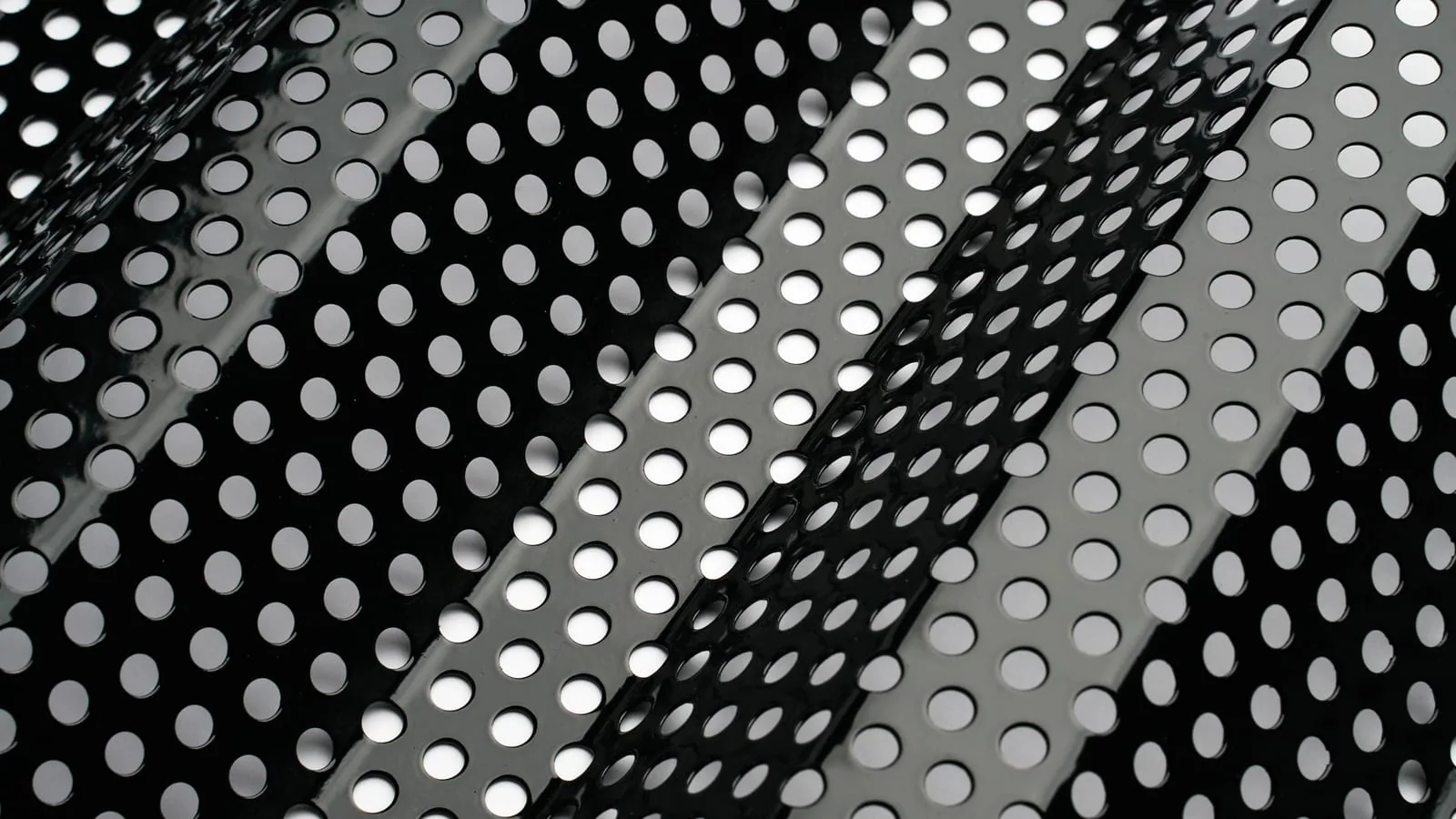 Powder Coating
 Useful for custom color, brand color and protected surfaces.
View finish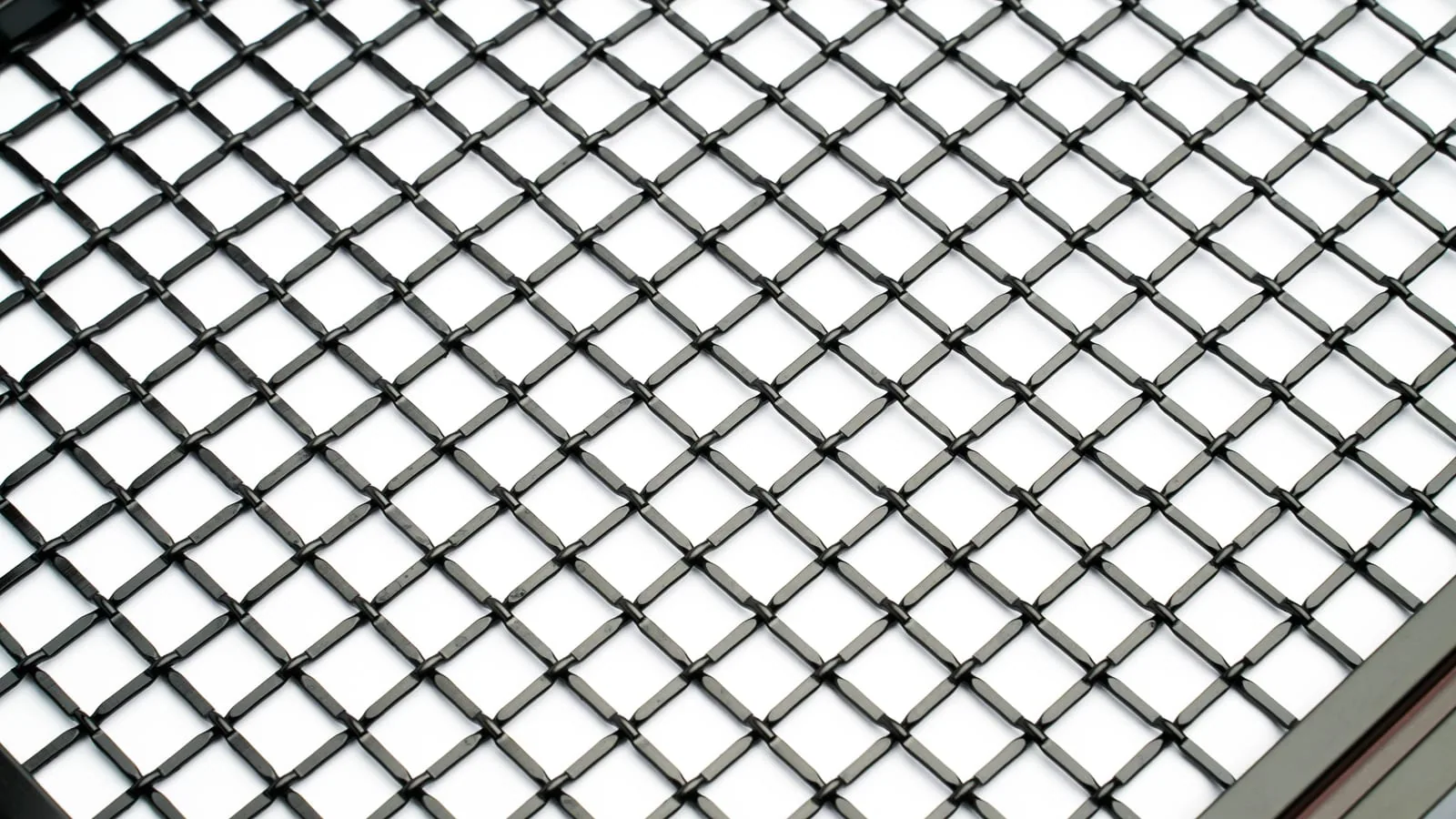 Fluorocarbon Coating
 Reviewed for exterior screens that need stronger weather resistance.
View finish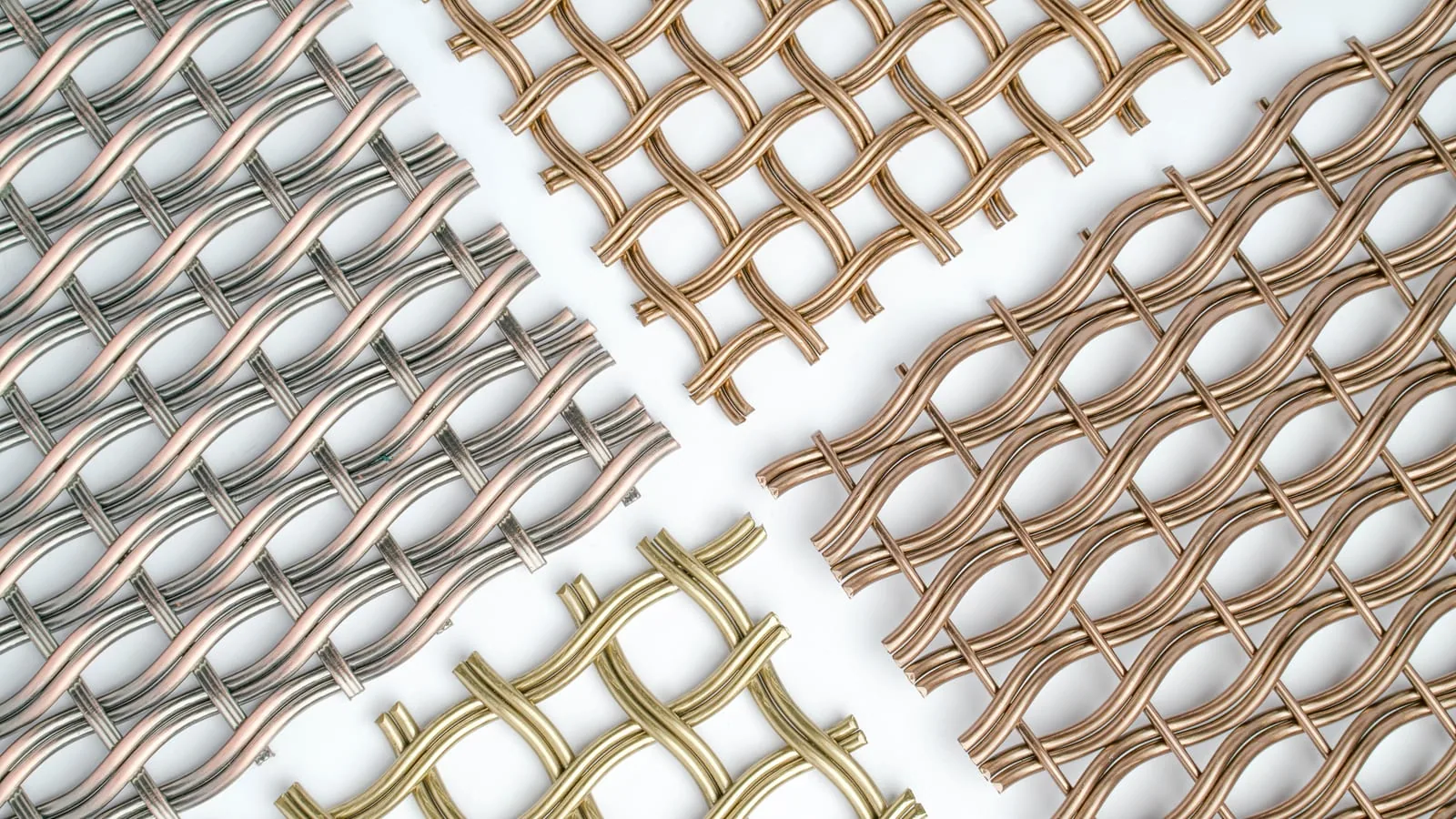 Custom Finishes
 Supports special color or surface targets after sample confirmation.
View finish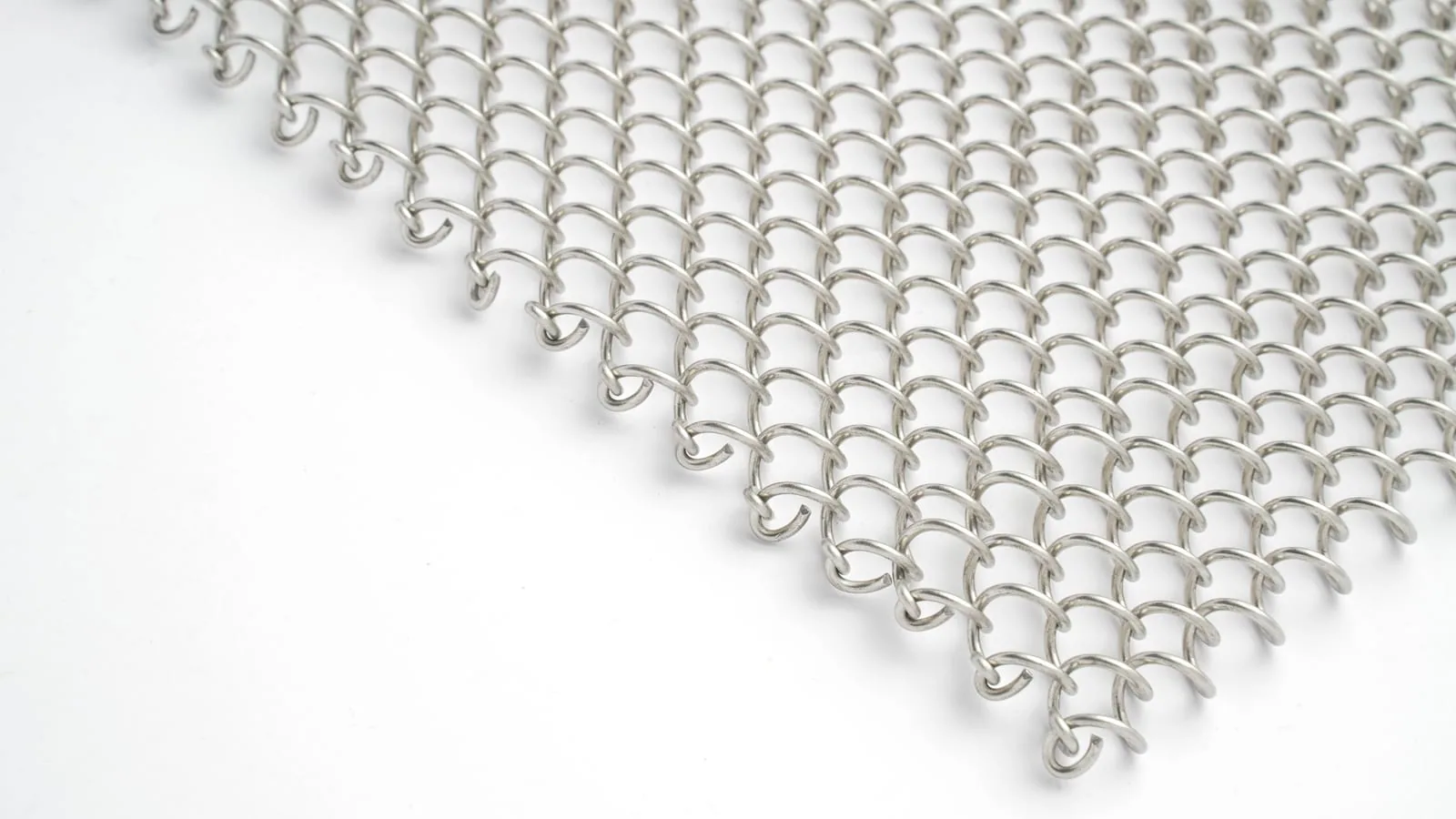
Sample approval
Use samples to judge the material in real light.
- Check color and reflection under project lighting.
- Review openness, texture scale and viewing distance.
- Confirm handling marks, touch level and cleaning needs.
- Keep the approved sample as the production reference.
Material FAQ
Common questions before choosing Aluminum.
These answers are practical starting points. Final material direction should still be checked around the selected product, finish, exposure and sample target.
When is aluminum a better material than stainless steel?
Aluminum is better when the project needs lighter weight, easier handling or stronger colour flexibility. Stainless steel is usually stronger for higher durability and corrosion-resistance priorities.
Which products usually use aluminum?
Chain curtain, metal coil drapery, perforated metal, expanded metal and aluminum foam panel can use aluminum when weight, colour and fabrication route fit the project.
Can aluminum mesh be used outdoors?
Yes, but exterior use should review coating or anodising route, exposure, panel edge protection, cleaning access and sample performance before production.
What should be confirmed before choosing aluminum?
Confirm application, weight priority, finish route, colour target, surface hardness, panel or curtain size and handling protection.
Material support
Need help matching Aluminum to a project?
Send the application, exposure, finish target or reference image. SGORIA can help compare material and sample direction with the project condition.