
Exterior facades, High-touch interiors
Durable architectural metal
Stainless Steel architectural metal mesh material.
Stainless steel is a durable route for architectural metal mesh that needs strength, corrosion resistance and a clean metallic tone across exterior screens, refined interiors and high-touch surfaces.
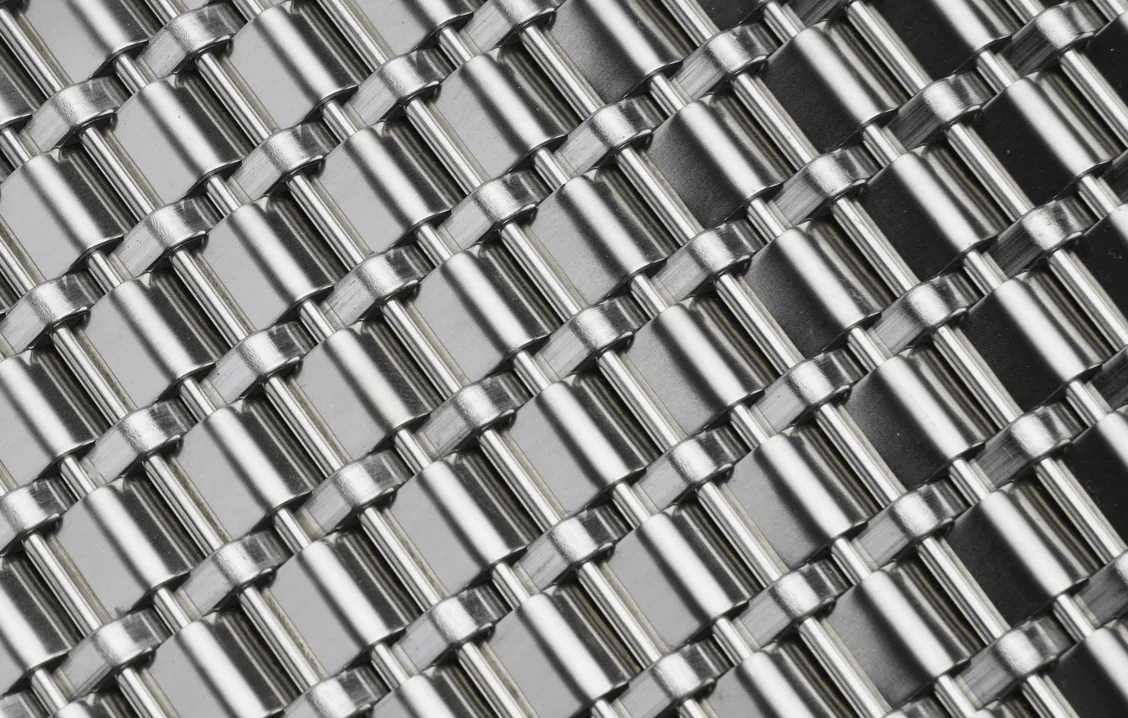
A corrosion-resistant base for exterior mesh, refined interiors and long-service architectural surfaces.
Grade and exposure, Cleaning expectation, Reflection under light
Woven Wire Mesh, Cable Rod Mesh, Metal Ring Mesh
Material performance
Judge the material by how the project will use it.
A corrosion-resistant base for exterior mesh, refined interiors and long-service architectural surfaces. The useful question is not only whether the material looks right, but whether it fits exposure, touch level, weight, finish direction, fixing logic and long-term care.
A strong route for facades, screens and high-touch areas where corrosion resistance and stable appearance matter.
The silver tone works well when the project needs a refined, neutral surface without a heavy coating layer.
Exposure, nearby salt air, cleaning access and touch level should guide the stainless grade and finish route.
Edges, welding, framing and handling marks should be reviewed before stainless mesh moves into production.
Applications
Where Stainless Steel is usually worth reviewing.
- Facade screens
- Interior partitions
- Elevator cab surfaces
- Ceiling and wall features
Product families
How this material connects with SGORIA products.
Woven Wire Mesh Refined texture, close-range detail and stable decorative panels. Cable Rod Mesh Larger screens that need strength, openness and clear fixing. Metal Ring Mesh Flexible metallic surfaces with durable base material behavior. Perforated Metal Controlled open area, repeatable panels and clean rhythm.
Decision checklist
Confirm the details that change material performance.
Material selection becomes more accurate when project teams share the application, exposure, finish target, fixing condition and maintenance expectation together.
Indoor or outdoor exposureStainless grade directionViewing distanceTouch and cleaning levelMesh family and openingEdge or fixing detailFinish sample targetPacking protection
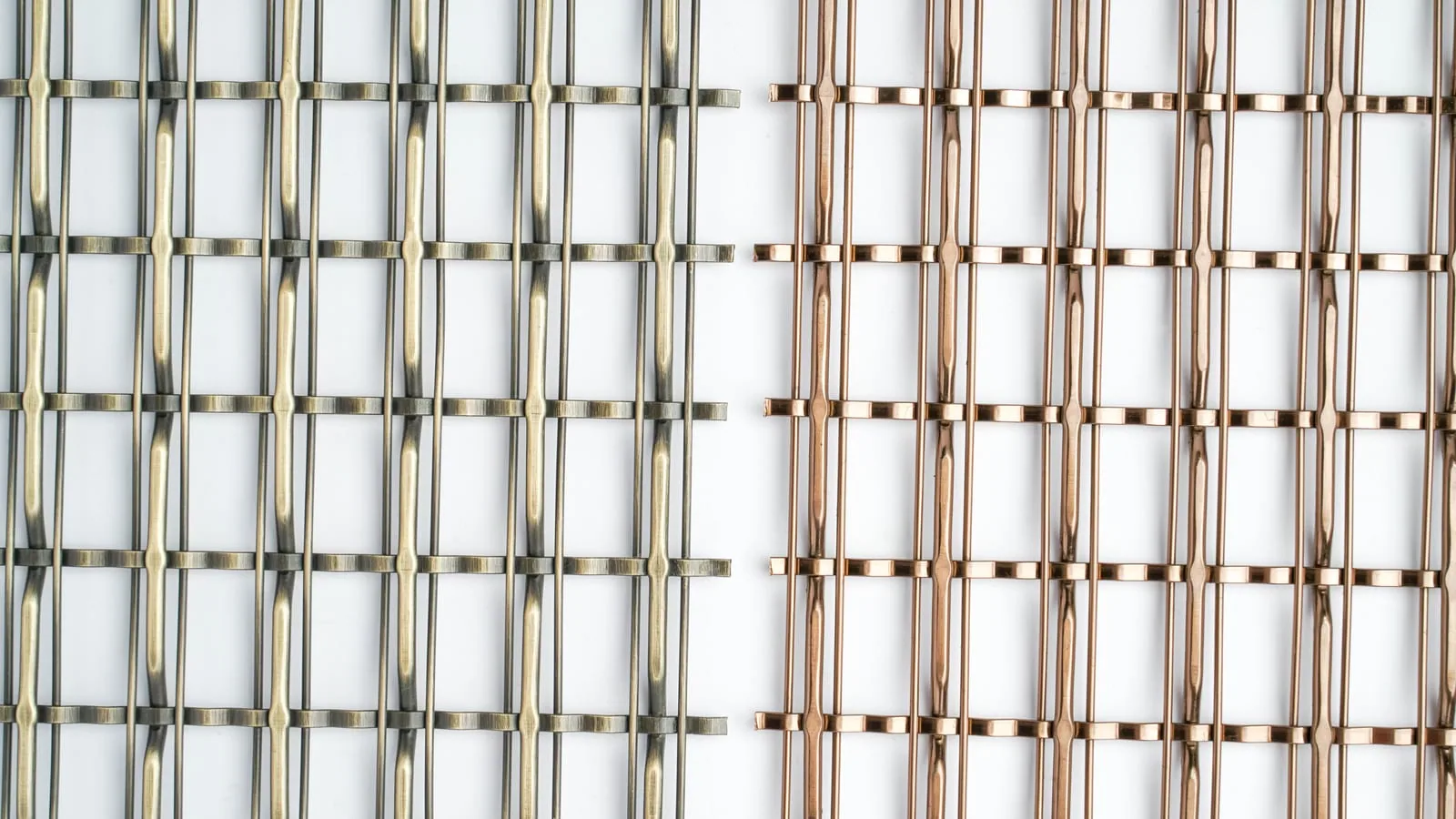
When to reconsider
Sometimes another material route is the better answer.
SGORIA can help compare the material route before sampling, especially when weight, color tone, exposure or maintenance expectation points in another direction.
- The project needs the lightest possible material route.
- A strong warm-metal tone is more important than silver clarity.
- Budget priority points toward coated carbon steel or aluminum.
Finish compatibility
Match the base material with the right surface direction.
Finish choice should be checked with material, lighting, exposure and maintenance expectation before production.
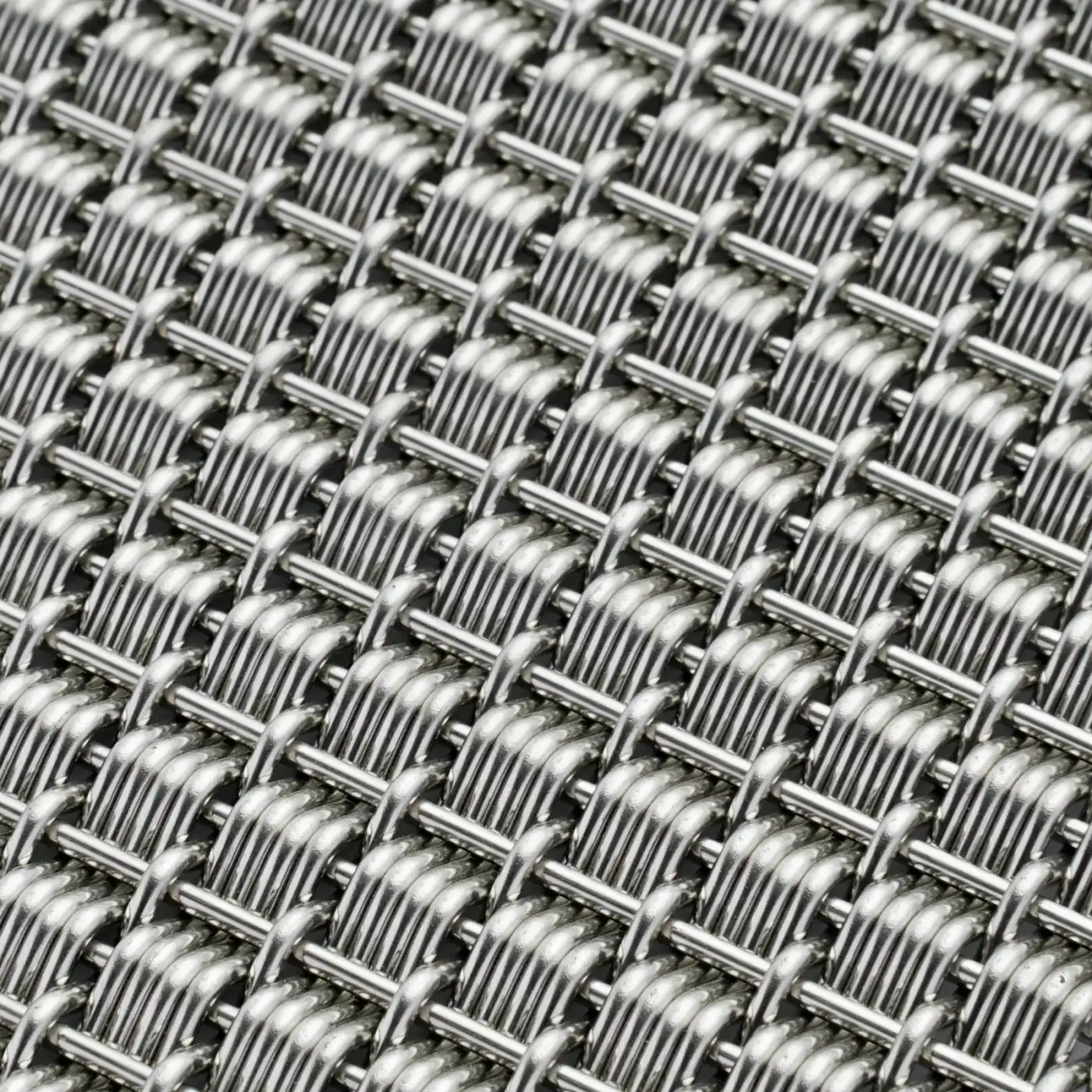 Natural Metal Finish
 Keeps stainless steel close to its original metallic clarity.
View finish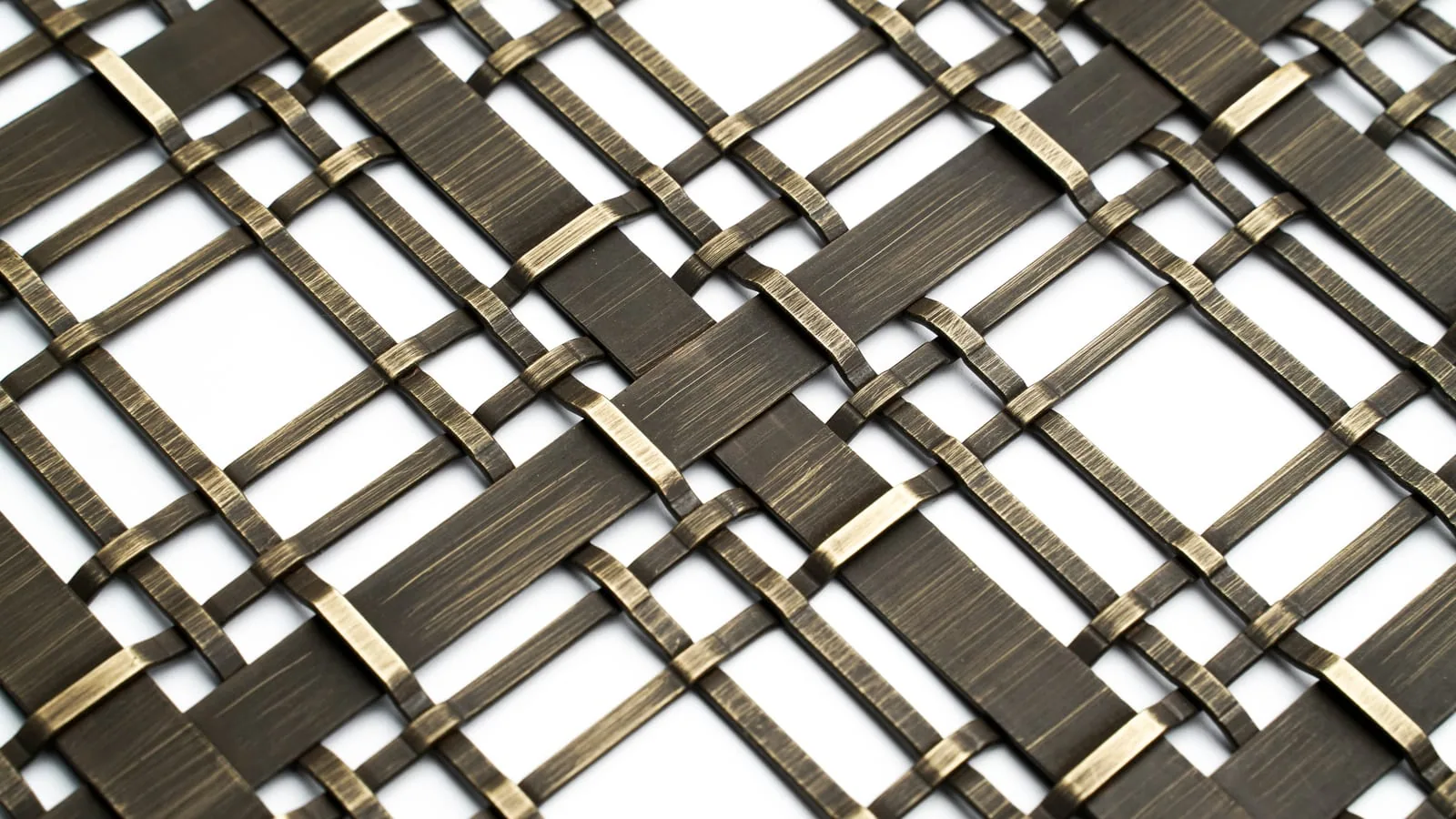 Brushed Finish
 Softens reflection and gives panels a more directional surface reading.
View finish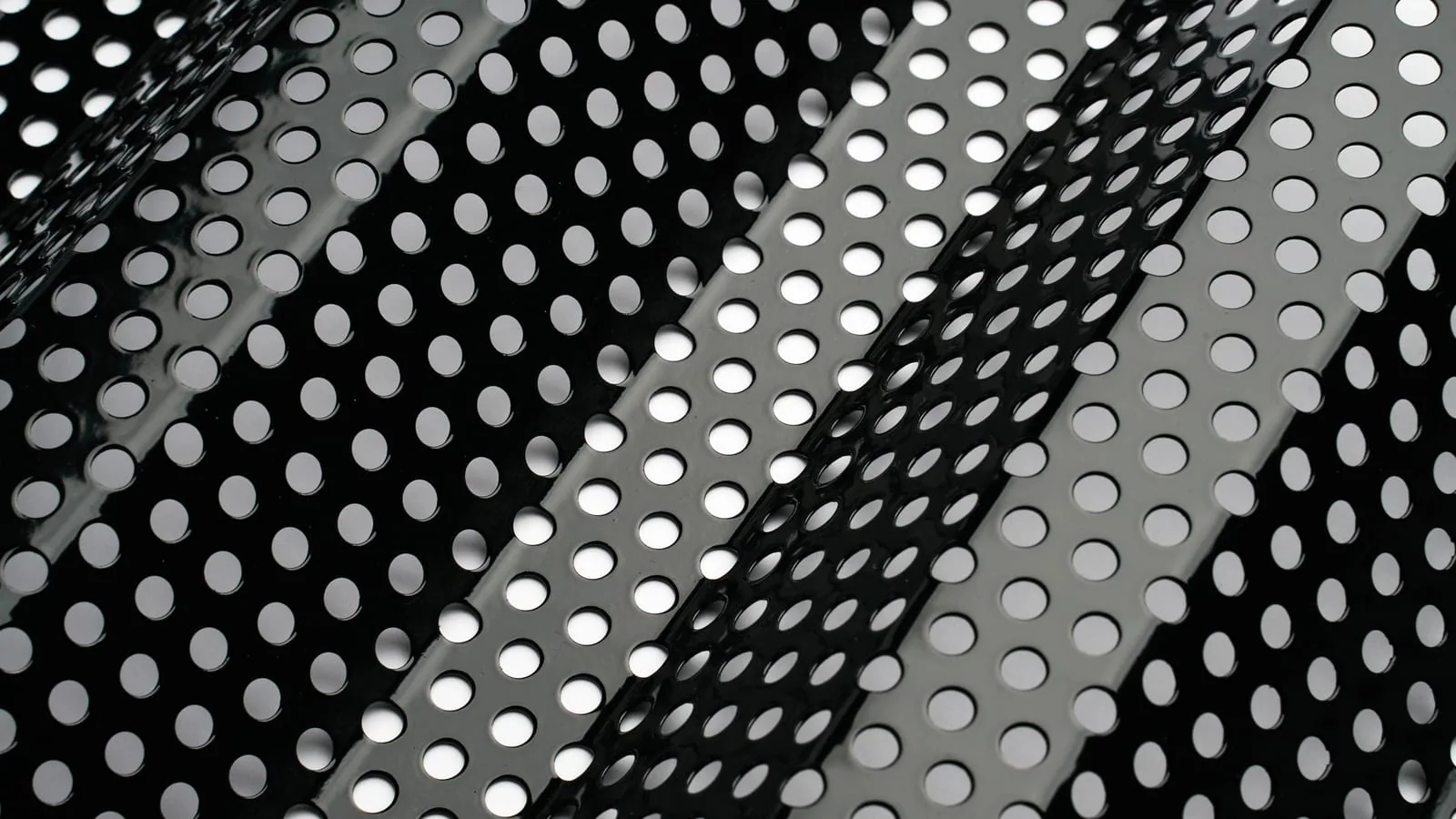 Powder Coating
 Useful when color control or stronger visual identity is required.
View finish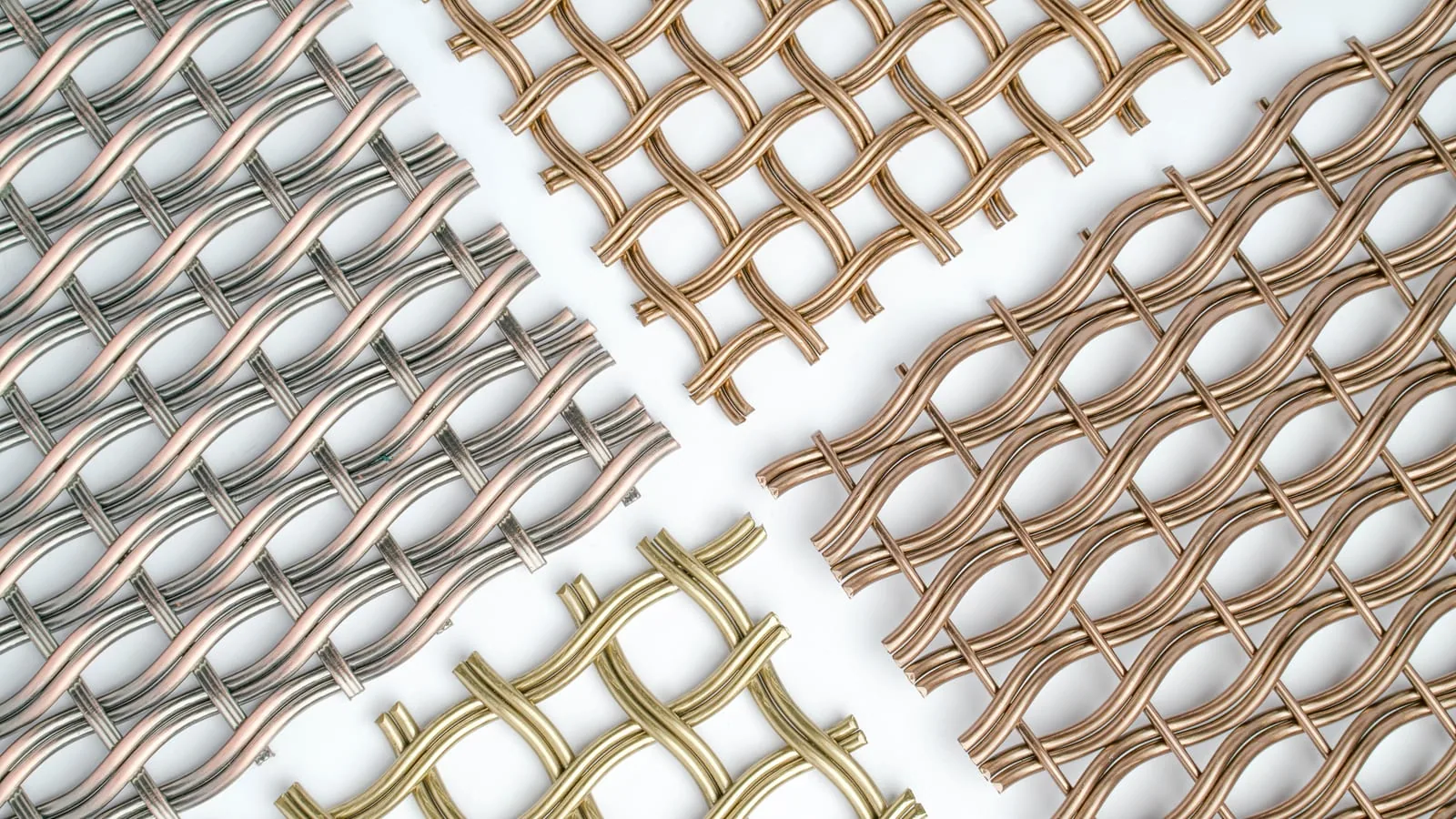 Custom Finishes
 Reviewed when the project needs a special tone, texture or sample target.
View finish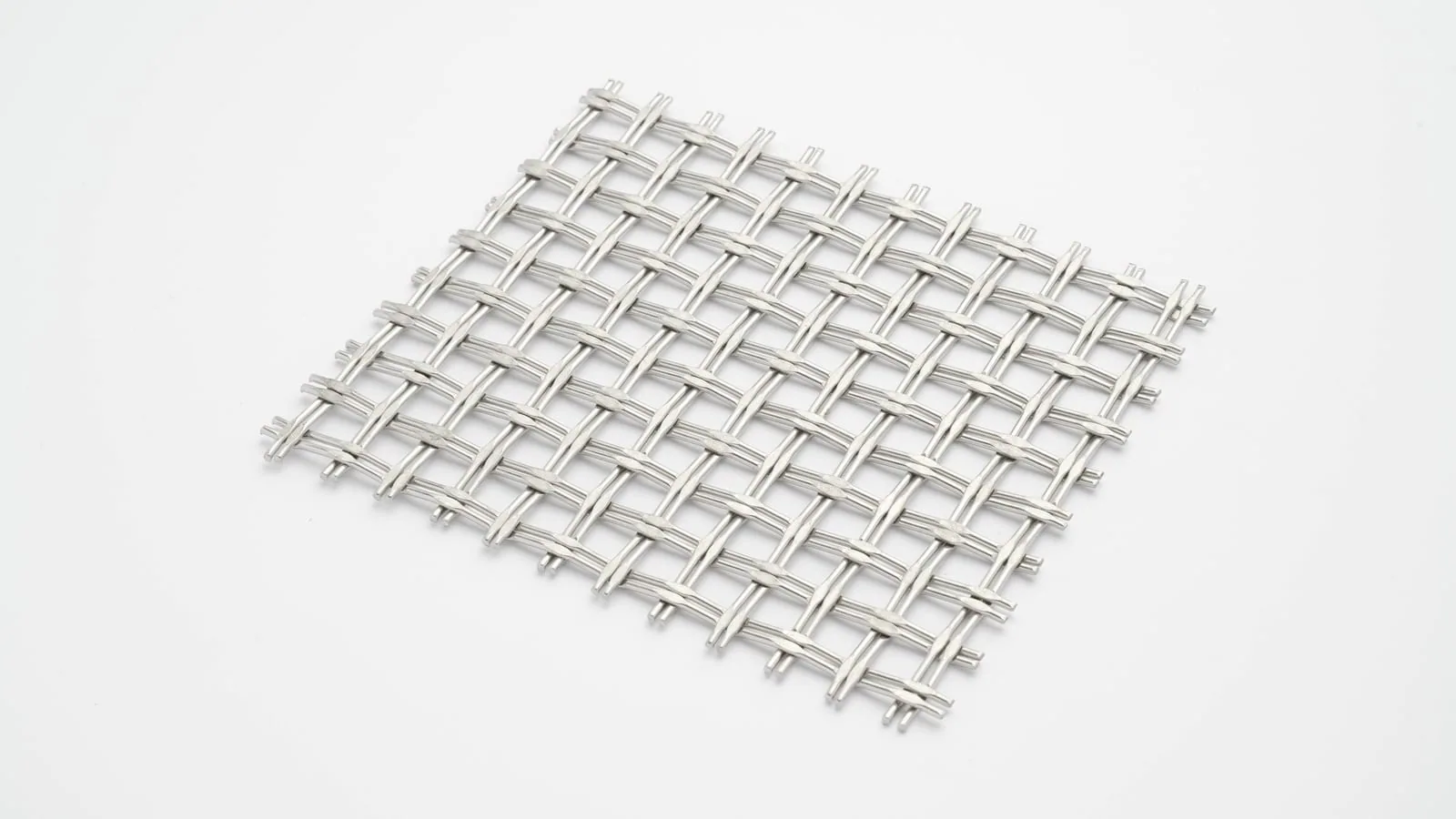
Sample approval
Use samples to judge the material in real light.
- Check color and reflection under project lighting.
- Review openness, texture scale and viewing distance.
- Confirm handling marks, touch level and cleaning needs.
- Keep the approved sample as the production reference.
Material FAQ
Common questions before choosing Stainless Steel.
These answers are practical starting points. Final material direction should still be checked around the selected product, finish, exposure and sample target.
When is stainless steel the best material for architectural metal mesh?
Stainless steel is a strong choice when the project needs corrosion resistance, clean metallic tone, exterior durability or high-touch interior performance. Grade, exposure and finish still need project review.
Should I choose stainless steel for exterior mesh screens?
It can be a good exterior route, especially for facades and screens, but nearby salt air, pollution, cleaning access, fixing detail and finish expectation should be confirmed before specification.
Which SGORIA products commonly use stainless steel?
Woven wire mesh, cable rod mesh, metal ring mesh, perforated metal and some laminated glass mesh patterns can use stainless steel depending on model, size and finish route.
What should be checked before approving a stainless steel sample?
Check grade direction, surface reflection, wire or panel texture, edge detail, handling marks, cleaning method and whether the sample matches the project lighting.
Material support
Need help matching Stainless Steel to a project?
Send the application, exposure, finish target or reference image. SGORIA can help compare material and sample direction with the project condition.