Direct answer
There is no single maintenance rule for every mesh.
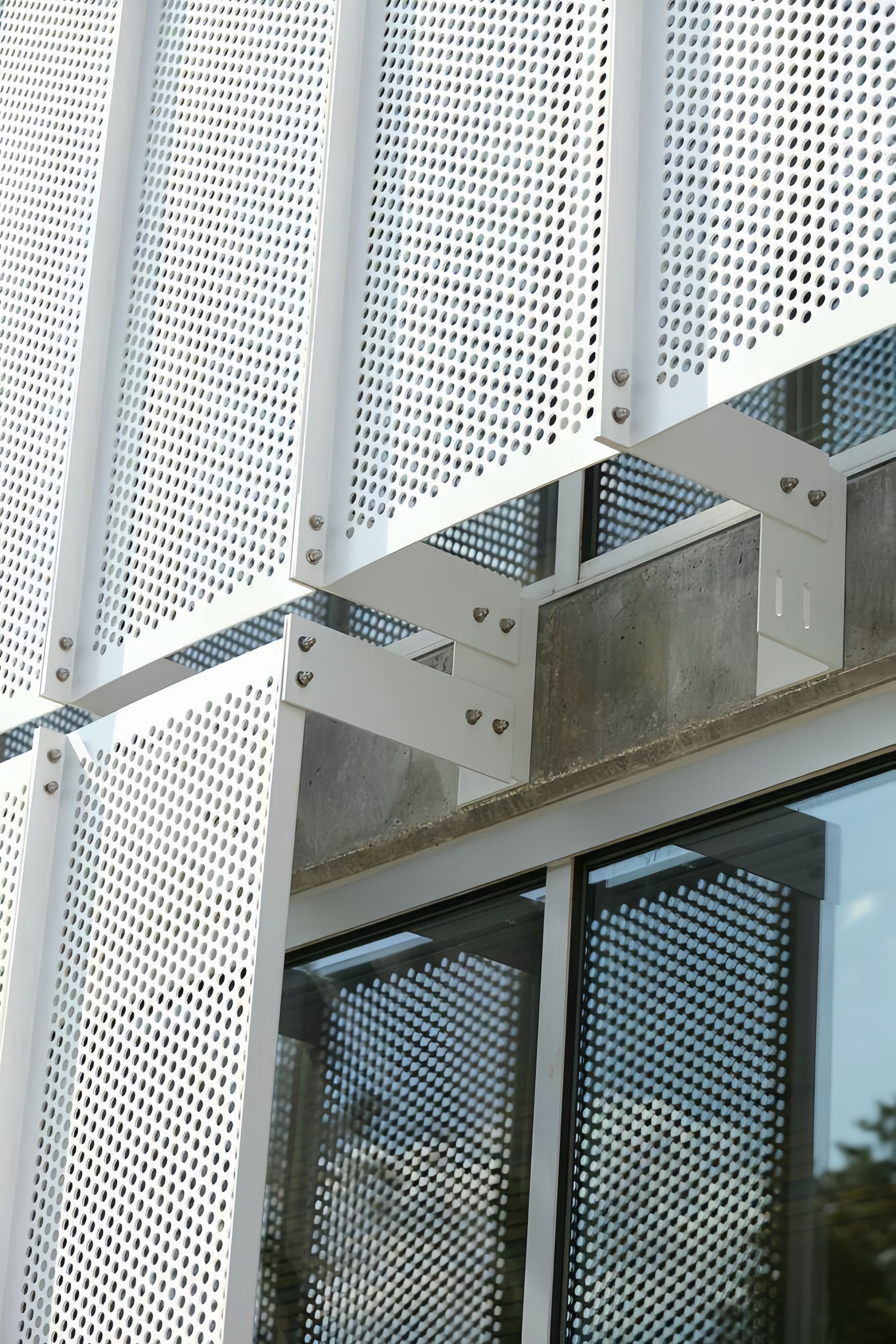
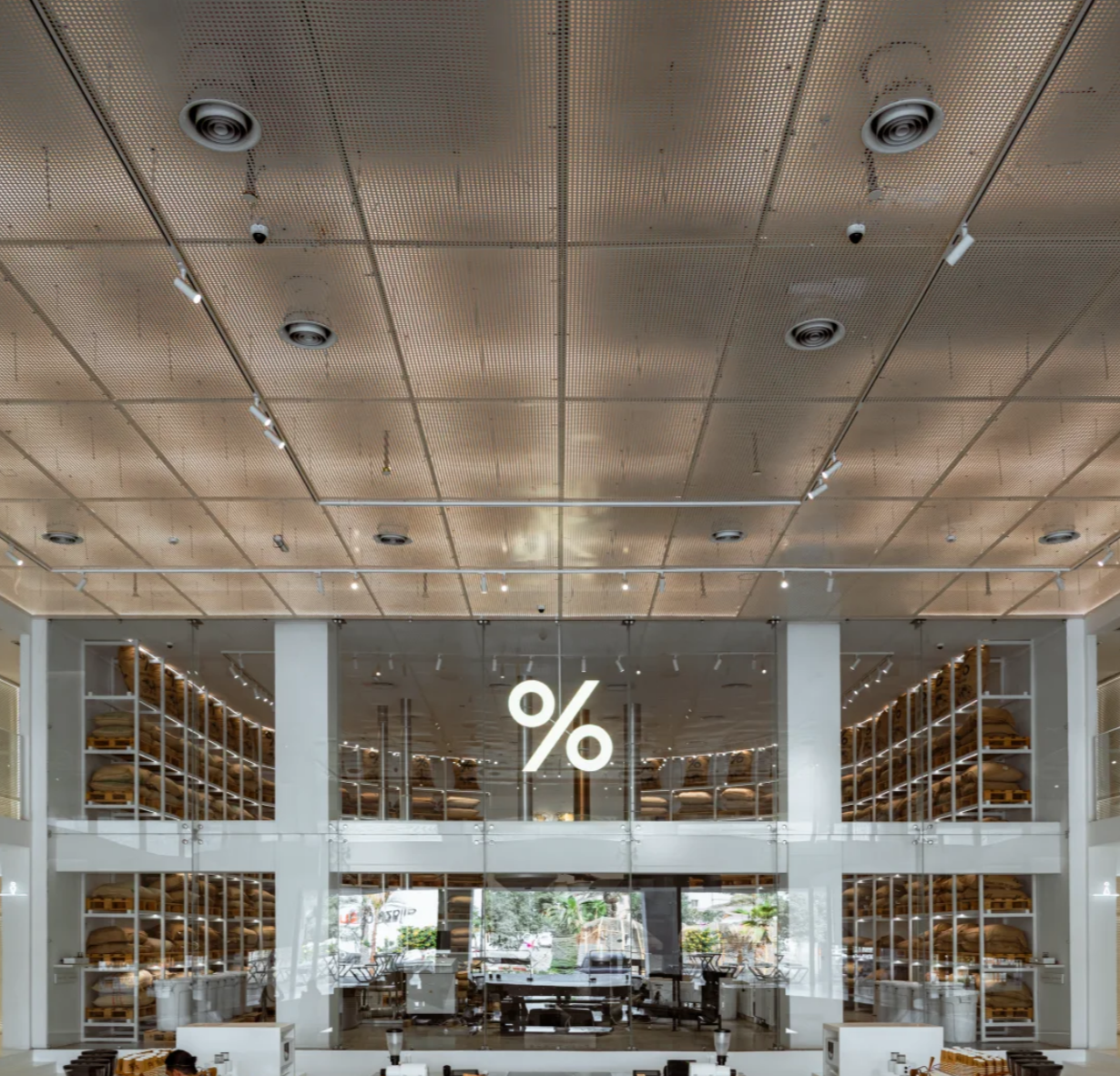
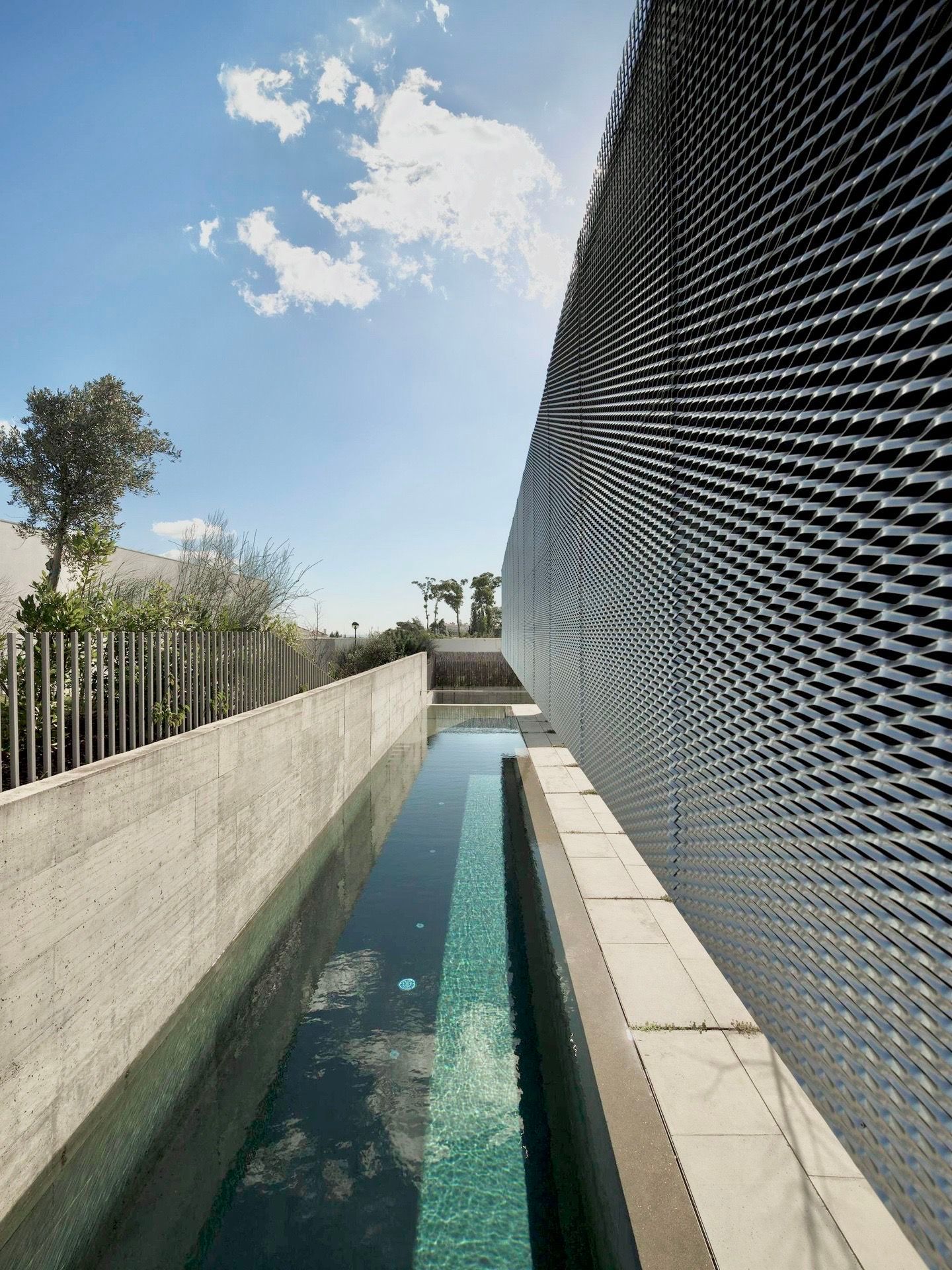
A facade screen, hotel lobby wall, metal curtain, elevator cab panel and ceiling feature all face different dust, touch, moisture and access conditions. Maintenance should be planned around product family, finish, exposure and cleaning access.
Finish care
Care starts with the finish route.
Natural metal, powder coating, fluorocarbon coating, anodising, plating and custom finishes should not be treated the same way. Harsh tools or unsuitable chemicals can damage appearance, especially on decorative finishes and close-range interiors.
Access
Cleaning access should be considered before installation.
Overhead mesh, facade screens and complex frames may be difficult to clean after installation. If access is limited, the project team should choose material, finish and fixing details with maintenance in mind.
Lifecycle value
Good maintenance planning protects the original design intent.
Metal mesh is often selected because it carries texture, transparency and reflection. A care plan helps keep that surface intentional over time rather than letting dust, scratches or poor access weaken the effect.
Project checklist
Information worth confirming before the next discussion
- Indoor or outdoor use
- Touch level
- Dust and moisture exposure
- Finish type
- Cleaning method
- Access route
- Replacement or repair plan
Questions to clarify
If you still have questions, start with these answers
Is architectural metal mesh hard to maintain?
Not usually, if the material, finish and access route are chosen for the application. High-touch interiors and exterior screens need clearer care planning.
Can all metal mesh be cleaned the same way?
No. Cleaning should match the finish and product family. Decorative finishes, coated surfaces and natural metals need different care expectations.
Should maintenance affect product selection?
Yes. If cleaning access is difficult, the project should avoid overly delicate finishes or details that make long-term care unrealistic.