Direct answer
A good specification starts with the project condition.
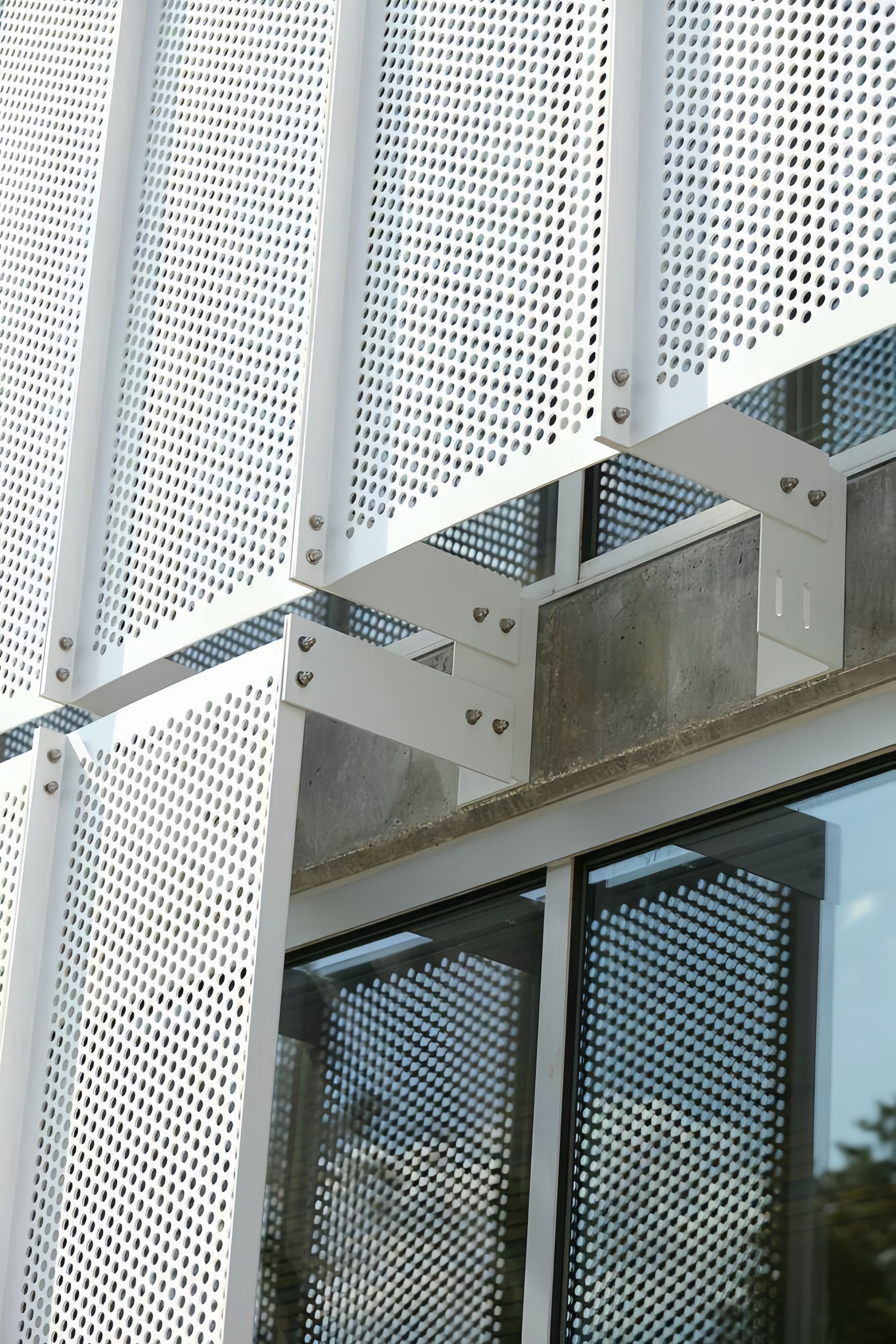
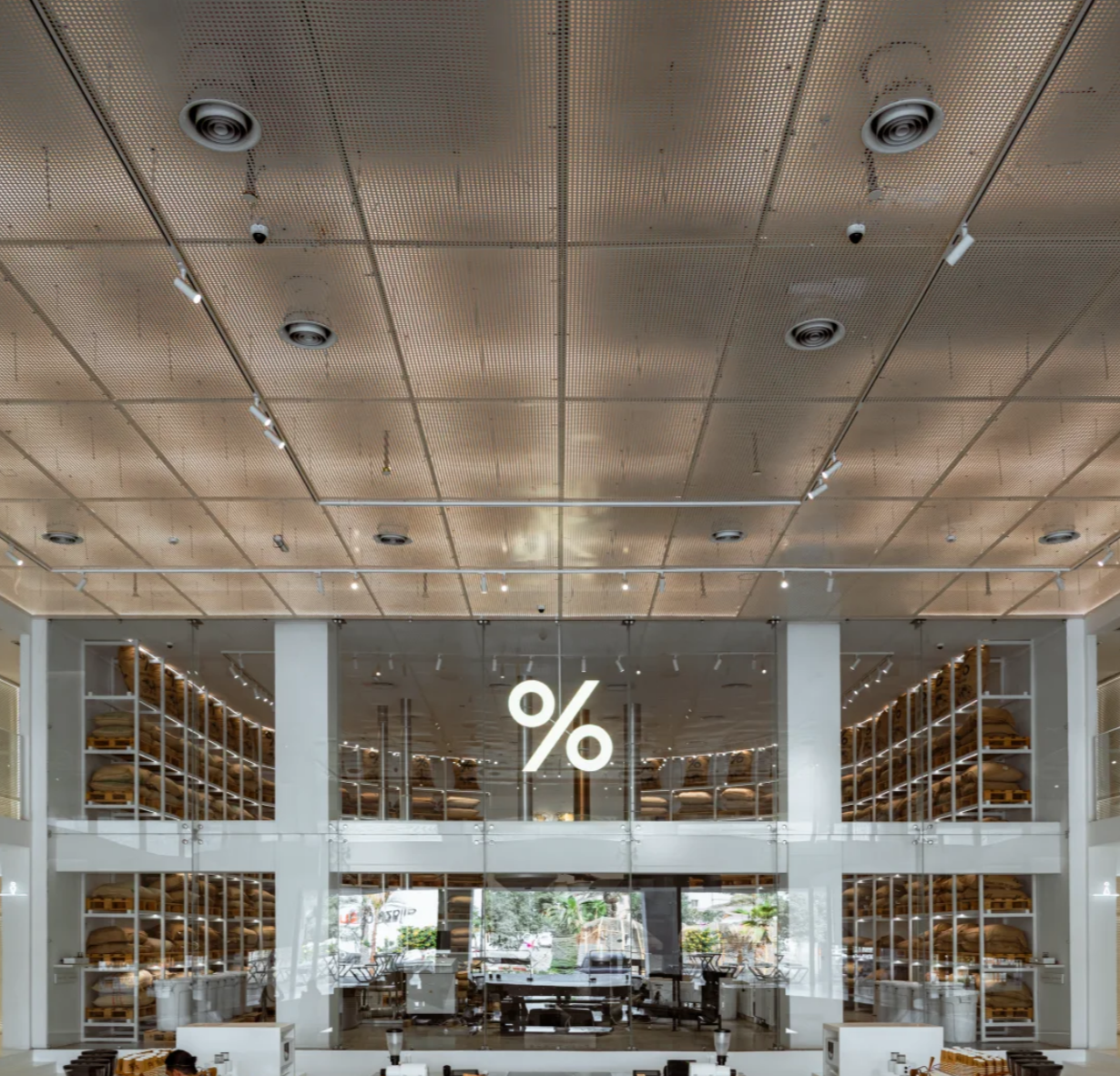
A strong architectural metal mesh specification is not just a product name. It should explain where the mesh will be used, how open or private it should feel, which material and finish direction are expected, how panels or curtains will be fixed, and what sample must be approved before scale.
What to include
The minimum useful specification has seven parts.
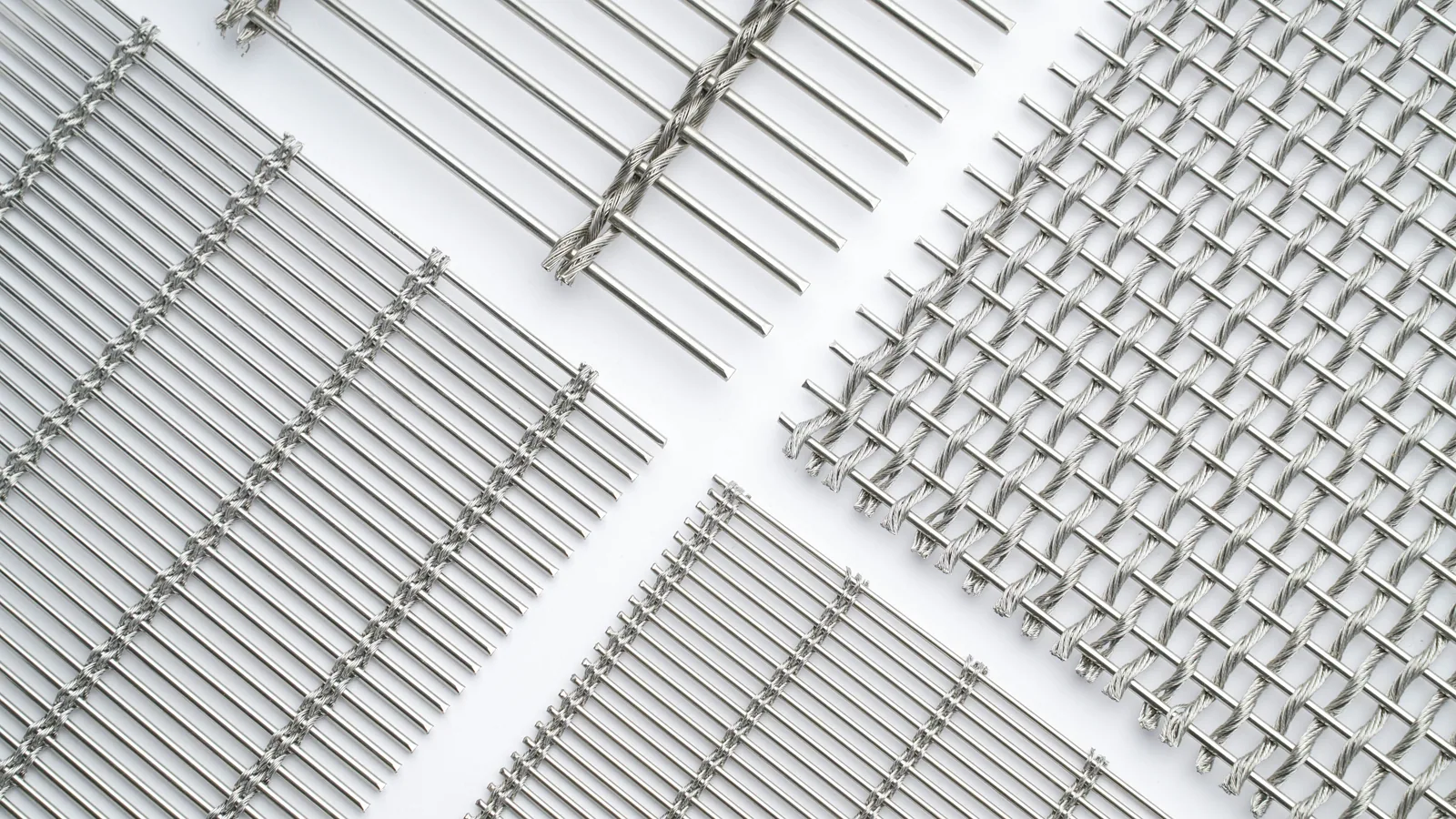
For SGORIA review, the most useful specification includes application, product family, open area or visual density, base material, surface finish, panel or curtain size, fixing route and sample requirement. These details help the factory and project team discuss the same surface rather than guessing from an image.
Common mistake
Do not specify only a pattern or model number.
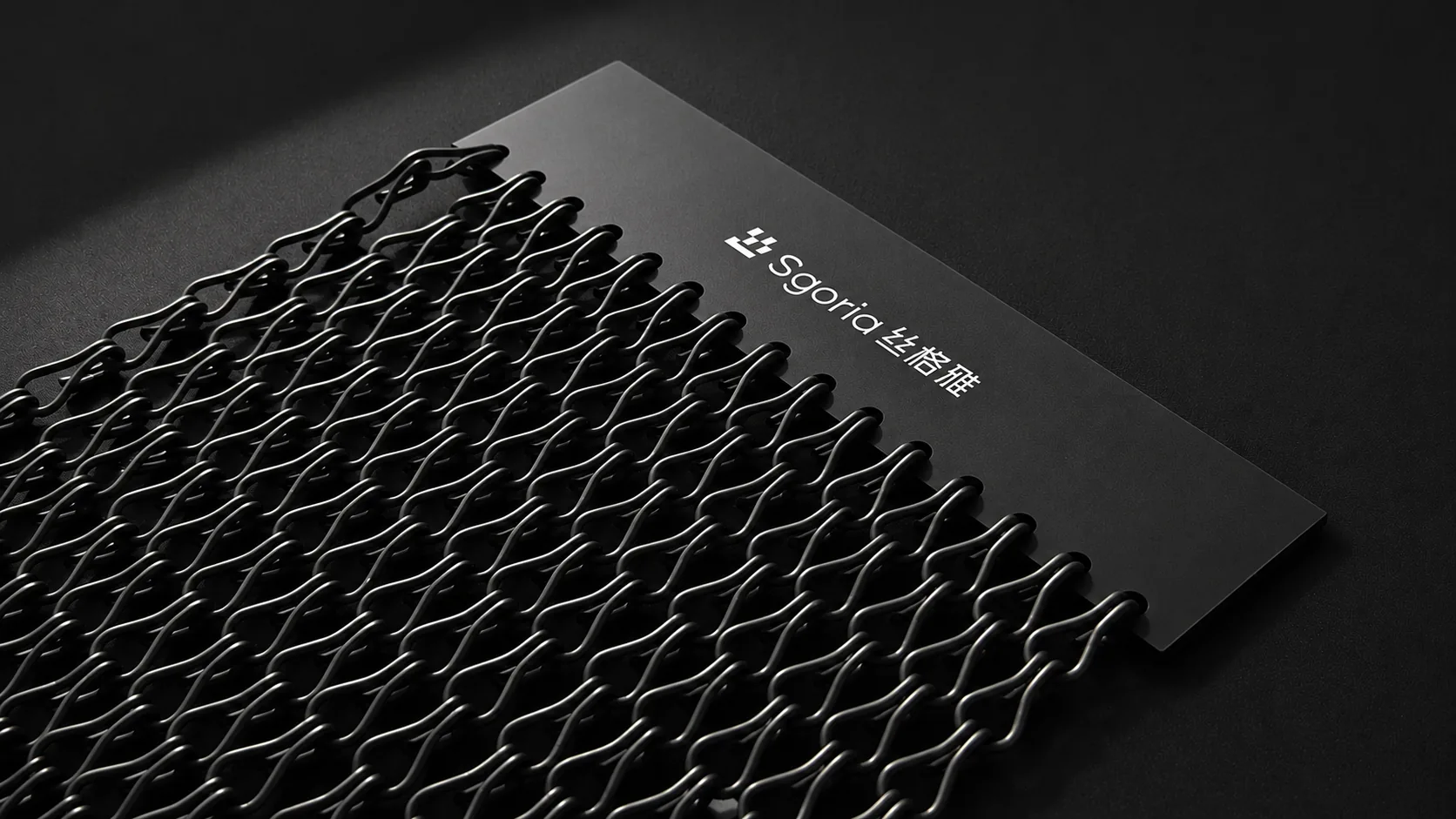
A model number can be useful, but it does not explain exposure, viewing distance, frame detail or packing. Two projects can use the same mesh model and still need different edge routes, finishes or sample sizes. Specification language should connect the model to the real application.
SGORIA view
The best specification protects the design intent.
SGORIA usually asks for the application, reference image, drawing, finish target and fixing expectation before final recommendation. That small amount of context helps us suggest a mesh route that can be sampled, quoted, produced and installed with fewer assumptions.
Project checklist
Information worth confirming before the next discussion
- Application and viewing distance
- Product family or model direction
- Open area or visual density target
- Base material and surface finish
- Panel size or curtain height
- Frame, track, tension or fixing route
- Approved sample requirement
- Packing and labeling expectation
Questions to clarify
If you still have questions, start with these answers
Can I specify architectural metal mesh by image only?
A reference image is useful, but it is not enough for production. SGORIA still needs application, size, material, finish, fixing route and sample expectation to turn the image into a usable project direction.
Should open area be included in the specification?
Yes, when transparency, airflow, daylight or privacy matter. If exact open area is not known, describe the desired visual density and viewing distance so SGORIA can shortlist models.
What sample should be approved before production?
Approve the actual product family or model, finish direction, orientation and any backing, frame, glass or track condition that will affect the final appearance.